
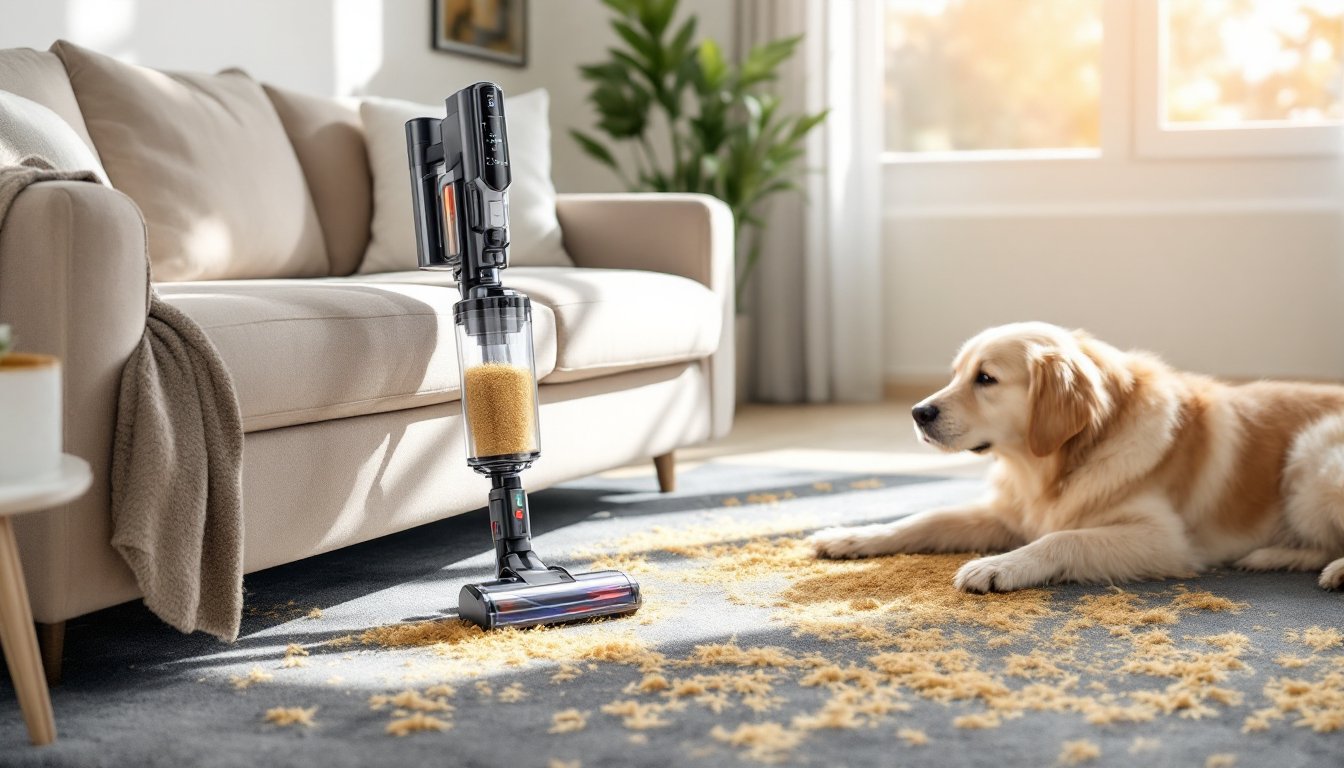
Pet owners know the struggle: fur on the couch, tumbleweeds under the bed, and embedded hair in every carpet fiber. Traditional vacuums with cords get tangled around furniture legs and lack the agility to chase down those daily messes. That’s where cordless vacuums shine, they’re lightweight, maneuverable, and ready to grab at a moment’s notice when Fluffy decides to shed her winter coat on your freshly cleaned rug. This guide cuts through the marketing noise to help homeowners pick the best cordless vacuum for pet hair in 2026, focusing on suction power, battery life, and features that actually matter when you’re dealing with fur on hardwood, carpet, and upholstery.
Table of Contents
ToggleKey Takeaways
- The best cordless vacuum for pet hair prioritizes 100+ air watts of suction power, 25-35 minute runtime on medium mode, and anti-tangle brush roll designs to prevent hair wrapping.
- Cordless vacuums eliminate tangled cords and enable frequent daily cleanups, which work better than weekly deep cleaning sessions when managing pet fur on multiple floor types.
- Top-tier models like Dyson deliver premium performance at $500-700, while budget-friendly Shark vacuums ($250-350) offer strong value with DuoClean technology for mixed flooring and headlights to find hidden pet hair.
- Regular maintenance—emptying the dustbin after each use, cleaning filters monthly, and clearing the brush roll weekly—is essential to maintain suction power and prevent pet hair-related clogs.
- Removable lithium-ion batteries and fast 3.5-hour charging are critical features for pet owners in homes over 1,500 square feet, enabling mid-clean battery swaps without interruption.
- Lightweight cordless models (5-6 pounds) from Tineco and Bissell excel for seniors and maneuverability, while dedicated handheld cordless vacuums ($80-150) complement full-size units for quick daily spot cleaning on furniture and car interiors.
Why Cordless Vacuums Are Ideal for Pet Hair Cleanup
Cordless stick vacuums have evolved from weak convenience tools into legitimate deep-cleaning machines. For pet owners, they solve three critical problems that corded models can’t.
First, portability eliminates barriers. When your dog tracks mud and fur through three rooms, you don’t want to hunt for an outlet or drag a canister behind you. A cordless handheld vacuum lives on a wall mount in the kitchen or hallway, ready to deploy in under ten seconds. That speed matters, pet hair cleanup works best when done frequently in short bursts rather than waiting for a weekly marathon session.
Second, maneuverability beats hair in tight spaces. Cordless vacuum cleaners weigh 5-8 pounds on average, compared to 12-18 pounds for traditional uprights. That weight difference lets homeowners easily lift the vacuum to clean stairs, reach under furniture where hair accumulates, and switch from floor to ceiling when cobwebs (and the occasional cat hair) appear on vents. The swivel heads on most cordless stick vacuum models navigate around chair legs and pet bowls without the resistance of a trailing cord.
Third, modern battery technology supports real cleaning sessions. Early cordless models died after 12 minutes, barely enough for one room. Today’s best cordless vacuum 2025 models run 30-60 minutes on standard mode, with removable lithium-ion batteries that let owners swap in a fresh pack mid-clean. That runtime handles most homes under 2,000 square feet in a single charge, assuming moderate pet hair loads.
One honest limitation: cordless units still can’t match the endless runtime and raw suction of a corded shop vacuum. If you’re dealing with extreme shedding, say, three golden retrievers during spring molt, you might need both a corded unit for deep weekly cleanings and a lightweight cordless vacuum for daily touch-ups.
Key Features to Look for in a Pet Hair Cordless Vacuum
Not all cordless vacuum cleaners handle pet hair equally. Distinguishing marketing fluff from functional design requires focusing on measurable specs and proven mechanisms.
Suction Power and Motor Performance
Air watts (AW) measure actual cleaning power, not just motor speed. For effective pet hair removal, look for 100+ AW on the maximum setting. Cheaper models claim “powerful suction” but deliver 40-60 AW, enough for crumbs, insufficient for embedded fur in carpet pile.
Motor design matters as much as raw power. Cyclonic filtration separates hair from airflow before it hits the filter, preventing clogs that kill suction mid-clean. Multi-cyclone systems (using 10-15 smaller cyclones instead of one large chamber) maintain consistent suction as the dustbin fills, a key advantage when vacuuming rooms where pets spend most of their time.
Brush roll design determines whether hair gets lifted or pushed around. The best stick vacuum for pet hair uses one of two approaches: anti-tangle rubber fins that channel hair into the suction path without wrapping around the roller, or removable brush bars that let you slice off wrapped hair with scissors every few weeks. Avoid models with traditional bristle-only rollers unless you enjoy spending ten minutes cutting hair off the brush after every use.
Floor type compatibility can’t be ignored. If you have hardwood floors throughout your home, ensure the vacuum offers a setting that stops the brush roll from scattering debris. The best cordless vacuum for hardwood floors includes a soft roller head (often called a “fluffy” roller) that captures fine dust and hair without scratching polyurethane finishes. For mixed flooring, look for automatic floor detection that adjusts suction and brush speed when transitioning from carpet to hard surfaces.
Battery Life and Runtime
Manufacturers advertise maximum runtime, usually achieved on the lowest power setting with no motorized tools attached. That’s useless information for pet owners. What matters is runtime on the setting you’ll actually use for pet hair.
Expect these realistic numbers from quality models:
- Eco/Low mode: 40-60 minutes (fine for hard floors with light hair)
- Medium/Auto mode: 25-35 minutes (everyday cleaning on mixed surfaces)
- Max/Boost mode: 8-12 minutes (deep cleaning carpets or tackling fur piles)
A 1,500-square-foot home with pets typically requires 20-25 minutes of runtime on medium mode. If your home exceeds 2,000 square feet or has multiple shedding pets, prioritize models with removable, swappable batteries or invest in a second battery pack. This feature distinguishes the best stick vacuum 2025 models from older designs with integrated batteries that force mid-clean charging breaks.
Charge time matters for daily usability. Four-hour charge cycles mean you can’t do a quick evening touch-up if you forgot to charge after morning cleaning. Look for 3.5-hour or faster charging, and confirm the wall mount includes integrated charging so the vacuum stays ready.
Battery chemistry affects longevity. Lithium-ion cells maintain performance through 500-800 charge cycles before capacity degrades noticeably. Cheaper nickel-based batteries lose 20-30% capacity within the first year, a deal-breaker if you’re keeping the vacuum for 5+ years.
Top Cordless Vacuums for Pet Hair in 2026
The market’s flooded with options, but a few models stand out for pet-specific performance. These recommendations balance power, runtime, and features that reduce frustration during actual use.
For maximum suction and versatility, Dyson’s latest V-series models (typically $500-700) deliver 150+ AW and include specialized pet hair tools: a mini motorized brush for upholstery, a crevice tool for baseboards, and anti-tangle technology on the main floor head. Runtime hits 30-35 minutes on medium power, which handles most homes. The dustbin’s hygienic emptying mechanism, press a lever and hair falls into the trash without touching it, matters more than it sounds when you’re doing this three times per week. Dyson’s weak point remains price: you’re paying partly for engineering, partly for brand.
For budget-conscious buyers, Shark’s pet-specific cordless lines ($250-350) provide 80-100 AW and thoughtful touches like headlights that reveal hidden fur under furniture. Many independent tests, including reviews from experts at leading appliance testing organizations, have found that Shark models offer strong value for pet owners. Their DuoClean brush rolls combine a bristle roller for carpet with a soft front roller for hard floors, eliminating the need to swap heads. Battery life averages 25 minutes on the medium setting, adequate for homes under 1,800 square feet. Trade-off: dustbins hold less (0.4 quarts vs. 0.6+ on premium models), requiring more frequent emptying during heavy shed seasons.
If weight and maneuverability top your priorities, consider Tineco or Bissell’s ultra-lightweight lines (5-6 pounds, $200-400). These work well for seniors or anyone with mobility limitations. Suction typically ranges 70-90 AW, enough for daily maintenance but not deep carpet cleaning. They shine on hard floors and low-pile rugs. Runtime stretches to 35-40 minutes because lower power draw extends battery life.
For quick spot cleaning, a dedicated handheld cordless vacuum ($80-150) complements your main vacuum. Models from Black+Decker and Bissell include motorized pet hair attachments and run 15-20 minutes per charge, perfect for car interiors, pet beds, and furniture. Don’t expect these to replace a full-size cordless stick vacuum, but they’re invaluable for daily touch-ups without hauling out the main unit.
One often-overlooked category: budget cordless stick vacuums under $200. While they sacrifice runtime (15-20 minutes) and build quality (more plastic components), models from brands like Eureka and Hoover now offer 60-75 AW, functional for small apartments or as a secondary unit for upper floors. For homeowners searching for the best inexpensive cordless stick vacuum, these represent a solid entry point, though plan on replacing them every 2-3 years rather than the 5-7 years expected from premium models.
How to Maintain Your Cordless Vacuum for Optimal Pet Hair Removal
Even the top rated cordless vacuum loses effectiveness without regular maintenance. Pet hair accelerates wear on filters and moving parts, so establish these habits:
Empty the dustbin after every use. Pet hair compresses and blocks airflow even when the bin looks half-full. Waiting until it’s packed solid reduces suction by 30-40%. For hygienic disposal, empty directly into an outdoor trash can, indoor emptying releases dander and allergens back into your air.
Clean or replace filters monthly. Most cordless vacuum cleaners use washable foam pre-filters and HEPA post-filters. Rinse the foam filter under cold water, squeeze gently (never wring), and air-dry for 24 hours before reinstalling. Replace HEPA filters every 3-6 months depending on usage intensity. Running with clogged filters forces the motor to work harder, reducing battery life and risking overheating shutdowns.
Inspect and clear the brush roll weekly. Hair wraps around the roller and end caps even on anti-tangle designs. Power off the vacuum, remove the floor head (most snap off tool-free), and use scissors to cut wrapped hair along the roller’s length. Slide the hair off rather than pulling, yanking can damage the bearing housings. Some models include a cleaning tool specifically for this task.
Check for blockages in the wand and floor head. If suction suddenly drops, detach the floor head and wand, then shine a flashlight through each component. Hair clumps often lodge where the wand meets the floor head or at the dustbin inlet. A straightened wire coat hanger or chopstick dislodges most blockages.
Store properly between uses. Wall mounts that include charging keep the battery topped off and the vacuum accessible. Avoid storing in unheated garages or sheds, temperature extremes (below 32°F or above 100°F) degrade lithium-ion battery capacity faster than normal use.
Deep-clean quarterly. Disassemble all removable parts (dustbin, filters, wand, tools) and wipe down with a damp microfiber cloth. Check the motor inlet screen for hair accumulation. This 15-minute session prevents the gradual performance decline that makes owners think their vacuum is “dying” when it just needs maintenance.
One safety note: always power off and remove the battery before performing any maintenance beyond emptying the dustbin. Accidental trigger activation during roller cleaning can cause hand injuries, rare, but entirely preventable with this simple step.
Conclusion
The best cordless vacuum for pet hair in 2026 balances suction power, runtime, and maintainability for your specific home and pet load. Prioritize air watts over marketing claims, plan for realistic battery performance on the modes you’ll actually use, and don’t skip maintenance, pet hair is uniquely demanding on vacuum components. Whether you invest in a premium model or start with a budget option, choosing a vacuum cordless design that fits your square footage and flooring mix makes the difference between a tool you use daily and one that sits in the closet. Fur-free floors don’t require perfection: they require the right equipment and consistent effort.