
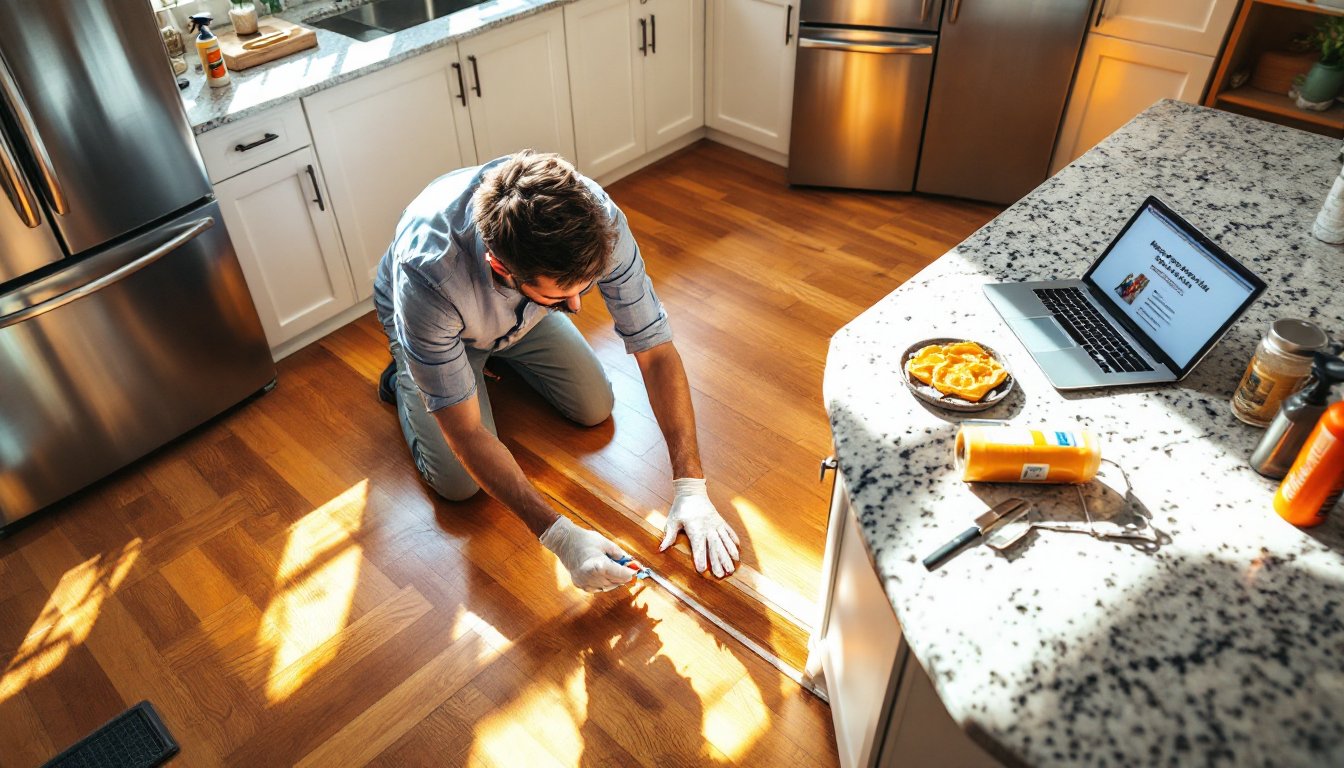
Nobody wants to share their home with uninvited guests, especially the six- or eight-legged variety. Whether dealing with ants marching across the kitchen counter, mice scratching in the walls, or spiders setting up shop in the basement, pest problems can escalate quickly if left unchecked. The good news? Many common pest issues can be tackled effectively without calling in an exterminator. With the right combination of prevention, strategic product use, and consistent maintenance, homeowners can reclaim their space and keep it protected year-round.
Table of Contents
ToggleKey Takeaways
- DIY at-home pest control saves homeowners $150–$400 per professional visit while enabling immediate action on emerging infestations like ants and wasps.
- Natural solutions like diatomaceous earth, boric acid, and vinegar offer chemical-free pest control for prevention and light infestations, though they work best when combined with consistent prevention.
- Gel baits and granular insecticides provide faster, stronger results for active infestations and perimeter defense, with proper placement being critical to their effectiveness.
- Sealing entry points, managing moisture, storing food in airtight containers, and maintaining gutters are the most effective at-home pest control prevention strategies year-round.
- Professional pest control is necessary for termites, bed bugs, large rodent populations, and nests in walls or attics, while DIY methods work best for localized, minor infestations with minimal safety risks.
Why DIY Pest Control Is Worth Considering
Professional pest control services typically cost between $150 and $400 per visit depending on the severity of the infestation and the treatment method used. For recurring pest issues, like seasonal ant invasions or periodic mouse activity, those costs add up fast. DIY pest control puts homeowners in the driver’s seat for a fraction of the price.
Beyond cost savings, at-home pest control offers immediate action. There’s no waiting for an appointment when ants are swarming the pantry or wasps are building a nest near the front door. Homeowners can address problems as they emerge, often stopping infestations before they become serious.
That said, DIY methods work best for prevention and minor infestations. Active termite colonies, large rodent populations, or bed bugs typically require professional-grade equipment and treatments. Knowing which battles to fight yourself, and when to call for backup, makes all the difference.
Safety note: Always wear gloves and eye protection when handling pest control products, even natural ones. Read all product labels completely before application.
Top At-Home Pest Control Methods That Actually Work
Natural and Chemical-Free Pest Control Solutions
Natural pest control methods appeal to homeowners looking to avoid synthetic chemicals, especially in homes with kids, pets, or food gardens. These solutions won’t always eliminate heavy infestations, but they’re effective for prevention and light activity.
Diatomaceous earth (DE) is a fine powder made from fossilized algae. It works mechanically, not chemically, piercing the exoskeletons of insects like ants, roaches, and fleas, causing dehydration. Food-grade DE can be dusted along baseboards, under appliances, and in cracks where pests travel. It remains effective as long as it stays dry, making it ideal for attics and crawl spaces.
Boric acid is another low-toxicity option that’s highly effective against cockroaches and ants. Mix it with a small amount of sugar and water to create a paste, then place it in bottle caps or small containers near pest trails. Insects carry it back to the nest, spreading the poison throughout the colony. Keep boric acid out of reach of children and pets.
Essential oils like peppermint, eucalyptus, and tea tree oil act as natural repellents. Dilute 10–15 drops in a spray bottle with water and apply around entry points, windowsills, and door frames. While they won’t kill pests, they can deter entry when reapplied weekly.
Vinegar solutions (equal parts white vinegar and water) disrupt ant pheromone trails, making it harder for scouts to lead the colony to food sources. Spray directly on trails and wipe clean. It’s non-toxic and safe for most surfaces, though it won’t work on porous materials like unsealed wood.
Effective Store-Bought Pest Control Products
When natural methods aren’t cutting it, store-bought products offer stronger, faster results. Choosing the right product depends on the pest type and the level of infestation.
Gel baits are among the most effective options for ants and roaches. Products like Advion Cockroach Gel Bait or Terro Ant Killer use slow-acting poison that insects carry back to the nest, killing the colony over several days. Apply small dots in areas where pests are active, under sinks, behind appliances, along baseboards. Avoid spraying insecticide near bait stations, as it can repel insects before they take the bait.
Granular insecticides work well for perimeter defense. Spread them in a 2–3 foot band around the home’s foundation, focusing on entry points like basement windows, garage doors, and HVAC penetrations. Products containing bifenthrin or lambda-cyhalothrin provide residual protection for up to three months. Reapply after heavy rain.
Snap traps and electronic traps remain the gold standard for mice. Place them perpendicular to walls where droppings or gnaw marks are visible, mice travel along edges, not across open floors. Bait with peanut butter or nesting material like cotton. For homeowners who prefer not to handle dead rodents, electronic traps like the Victor Electronic Mouse Trap deliver a quick kill and allow no-touch disposal.
Sticky traps are useful for monitoring pest activity and catching spiders, roaches, and even small mice. Place them in corners, under furniture, and along known pathways. They won’t solve an infestation alone, but they’re excellent diagnostic tools.
Aerosol sprays provide immediate knockdown for wasps, hornets, and flying insects. Look for products with a 20-foot spray range so you can treat nests from a safe distance. Always spray in the early morning or late evening when insects are less active. Proper planning for seasonal pest challenges can help homeowners time treatments for maximum impact.
Preventing Pest Infestations Before They Start
The most effective pest control strategy is keeping them out in the first place. Most pests enter homes searching for food, water, or shelter, eliminate those attractants, and the problem solves itself.
Seal entry points. Walk the perimeter of your home and inspect for gaps around pipes, cables, vents, and utility lines. Use expanding foam insulation for larger gaps (over ½ inch) and silicone caulk for smaller cracks. Pay special attention to where the foundation meets siding, and check weatherstripping around doors and windows. Mice can squeeze through openings as small as a dime.
Install door sweeps on exterior doors, especially garage doors and basement entries. A ¼-inch gap is enough for insects and small rodents to slip through. Aluminum or rubber sweeps with a snug seal make a noticeable difference.
Manage moisture. Fix leaky faucets, repair dripping outdoor spigots, and ensure downspouts direct water at least 6 feet away from the foundation. Cockroaches, silverfish, and carpenter ants are drawn to damp environments. Use a dehumidifier in basements and crawl spaces to keep relative humidity below 50%.
Store food properly. Transfer dry goods like flour, sugar, rice, and pet food into airtight containers. Even unopened cardboard boxes aren’t pest-proof, pantry moths and beetles can chew through packaging. Clean up crumbs and spills immediately, and don’t leave pet food out overnight.
Trim vegetation. Keep shrubs, tree branches, and mulch at least 12 inches away from the foundation. Overgrown vegetation creates bridges for ants, spiders, and rodents to access the home. Replace wood mulch with rock or rubber mulch near the foundation if pest pressure is high.
Declutter storage areas. Cardboard boxes, stacks of newspapers, and piles of firewood indoors provide nesting material and hiding spots for pests. Store firewood outside, at least 20 feet from the house, and elevate it off the ground. Many effective cleaning and maintenance routines include regular decluttering as a core pest prevention tactic.
Maintain gutters. Clogged gutters create standing water and organic debris, perfect breeding grounds for mosquitoes and attractive to rodents. Clean them twice a year, and consider installing gutter guards to reduce maintenance.
When to Call a Professional vs. Handling It Yourself
DIY pest control has its limits. Some infestations require specialized equipment, licensed pesticides, or structural repairs that fall outside the average homeowner’s skillset.
Call a professional for:
- Termites. Even minor termite damage can compromise structural integrity. Licensed pest control companies use termiticides and bait systems not available to consumers, and they can assess the full extent of damage.
- Bed bugs. These pests require heat treatments or professional-grade pesticides applied in multiple visits. DIY methods rarely eliminate an infestation completely.
- Large rodent infestations. If you’re catching more than one or two mice per week, or if you see rats, the problem is bigger than traps can handle. Professionals can identify entry points, set up exclusion systems, and use tracking powder in wall voids.
- Stinging insects with nests inside walls or attics. Disturbing a hornet or wasp nest in an enclosed space is dangerous. Pros have the protective gear and experience to remove nests safely.
- Recurring infestations even though treatment. If the same pest keeps coming back, there’s likely an underlying issue, entry points you’ve missed, moisture problems, or a nearby nest. A professional inspection can pinpoint the root cause.
You can handle it yourself if:
- The infestation is localized (one room, one area).
- You’ve identified the pest and chosen an appropriate treatment.
- Safety risks are minimal (no venomous spiders, aggressive wasps, or structural concerns).
- You’re willing to monitor and retreat as needed.
For homeowners unsure about the scope of a problem, many professionals offer free inspections. Platforms that connect homeowners with local contractors and specialists can provide cost estimates and help determine whether professional intervention is necessary. Even if you choose to DIY, an expert assessment can save time and money by steering you toward the right approach.
Conclusion
Effective at-home pest control is equal parts prevention, persistence, and the right products. By sealing entry points, managing attractants, and using targeted treatments, whether natural or chemical, homeowners can tackle most common pest issues without professional help. But knowing when a problem outgrows DIY solutions is just as important. Stay proactive, monitor regularly, and don’t hesitate to call in a pro when the situation demands it.