
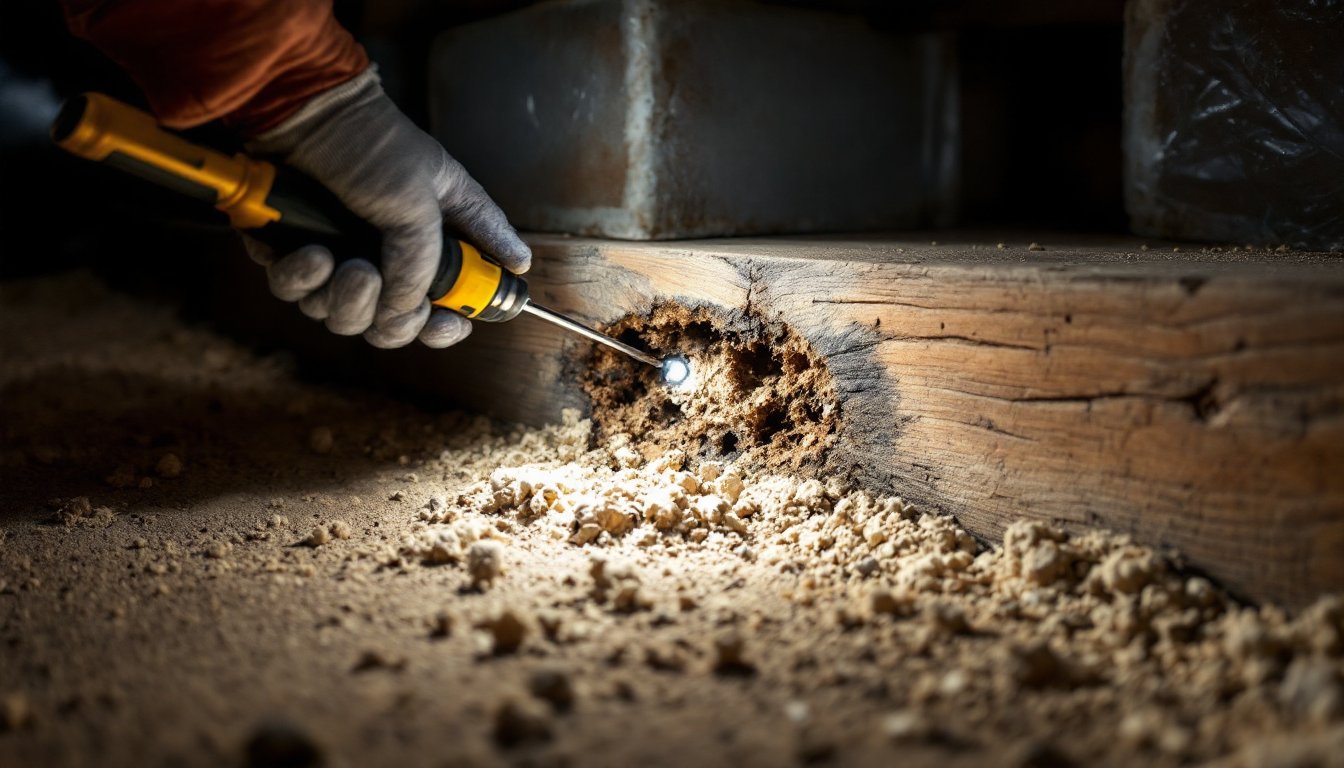
Most homeowners think their home warranty has them covered when pests move in uninvited. The reality? Standard home warranty plans rarely include pest control, and when they do, the coverage is narrower than you’d expect. Understanding what’s actually protected, what’s excluded, and how to fill those gaps can save you hundreds (or thousands) when you’re dealing with anything from termites chewing through floor joists to rodents nesting in your attic insulation. Here’s what homeowners need to know about pest control coverage in 2026.
Table of Contents
ToggleKey Takeaways
- Home warranty pest control coverage is an optional add-on that covers structural damage from wood-destroying organisms like termites, not extermination or prevention costs.
- Most home warranty pest control plans come with strict conditions including annual inspections, caps of $1,000–$2,500 per year, and waiting periods of 30–90 days after enrollment.
- Termite bonds ($300–$600/year) and standalone pest control plans often provide better protection than home warranty add-ons, especially for high-risk areas with annual inspections and repair guarantees.
- Common exclusions from home warranty pest coverage include rodents, bed bugs, wildlife, pre-existing conditions, cosmetic damage, and any pest-related costs that exceed annual policy limits.
- Before adding pest control coverage, homeowners should compare annual costs against termite bonds or standalone plans and review fine print on coverage caps, waiting periods, and pre-existing condition clauses.
What Is Home Warranty Pest Control Coverage?
Home warranty pest control coverage is an optional add-on to most home warranty plans, designed to address damage caused by specific pests, not the pests themselves. That’s the first critical distinction.
Standard home warranties cover systems and appliances: HVAC, plumbing, electrical, water heaters, and major kitchen appliances. They’re designed to protect against mechanical failures from normal wear and tear. Pest issues fall outside this scope because they’re typically considered preventable maintenance or environmental hazards.
When pest control is included (either as part of a premium plan or as an add-on), it usually covers structural damage caused by wood-destroying organisms like termites or carpenter ants. It does not cover extermination services, preventive treatments, or the cost of removing infestations. Think of it as coverage for the aftermath, repairing a termite-damaged sill plate or replacing wood framing, not the initial pest removal.
Most add-on pest coverage comes with strict conditions: annual inspections, proof of prior treatments, and caps on payout amounts (often $1,000–$2,500 per year). The coverage kicks in only after you’ve had the pests professionally eradicated and can document the damage they caused. If you skip the inspection or let an infestation go unchecked, the warranty won’t pay.
Some plans bundle limited pest coverage with optional roof or foundation riders, but homeowners should read the fine print. Coverage is almost never automatic.
What Pest Issues Are Typically Covered by Home Warranties?
If a home warranty does include pest damage coverage, it zeroes in on a narrow category: wood-destroying organisms (WDOs). These are pests that actively damage the structural integrity of a home, not nuisance critters that invade living spaces.
Wood-Destroying Organisms and Termites
Termites are the most commonly covered pest, specifically subterranean and drywood species that tunnel through framing lumber, floor joists, and sill plates. Policies may cover the cost of replacing damaged 2×6, 2×8, or engineered lumber members, sistering new joists alongside compromised ones, or rebuilding sections of a mudsill that’s been hollowed out.
Carpenter ants sometimes fall under the same umbrella if they’ve bored galleries into structural wood. Coverage depends on whether the damage meets the policy’s threshold, cosmetic surface damage to trim or non-load-bearing elements usually doesn’t qualify.
Powderpost beetles and wood-boring beetles are occasionally included, but many policies exclude them or limit coverage to specific species. Check whether your plan references the local building code’s definition of WDOs: this varies by region.
What’s generally not covered:
- Rodents (mice, rats, squirrels). Even though they chew through wiring, insulation, and ductwork, most warranties classify them as hygiene or maintenance issues.
- Bed bugs, cockroaches, ants (non-carpenter species). These are considered sanitation problems.
- Wildlife (raccoons, bats, birds). Damage from animals nesting in attics or chimneys falls outside standard coverage.
- Damage to landscaping, mulch, or non-structural wood like fencing or decorative beams.
Even when termites are covered, the warranty won’t pay for tenting the house, soil treatments, or bait stations. You’ll need to hire an exterminator out of pocket, then file a claim for structural repairs with documentation from a licensed pest inspector.
Common Exclusions: What Home Warranties Won’t Cover
Home warranty pest exclusions are extensive, and they’re where most claim denials happen. Knowing what’s off the table helps homeowners avoid unpleasant surprises when filing.
Pre-existing conditions. If a termite infestation was present before the warranty took effect, even if the homeowner didn’t know, the damage isn’t covered. Most companies require a clean pest inspection report at the time of enrollment or within 30 days of the policy start date. Miss that window, and any damage discovered later can be tagged as pre-existing.
Neglect and lack of maintenance. If you ignore signs of pest activity (mud tubes on foundation walls, frass piles, hollowed wood), the insurer can deny your claim on grounds of neglect. Standard home warranties expect homeowners to address visible issues promptly.
Cosmetic or non-structural damage. Chewed baseboards, gnawed door casings, or damaged drywall typically aren’t covered. The damage has to compromise a structural member, something holding up floors, roofs, or walls.
Secondary damage from pests. If rodents chew through NM-B (Romex) wiring and cause an electrical short, the wiring repair might be covered under the electrical system portion of your warranty, but not under pest coverage. Similarly, water damage from a pipe chewed by rats could be covered under plumbing, but only if the plumbing failure itself qualifies.
Damage to outbuildings, detached garages, sheds, or decks. Most policies cover only the primary residence structure.
Costs above the cap. If your policy has a $1,500 annual limit and termite damage requires $4,000 in repairs to sistered joists and new subfloor, you’re covering the difference.
Prevention, monitoring, and follow-up treatments. Ongoing termite contracts, annual inspections, or reapplication of pesticides are the homeowner’s responsibility. Warranties are reactive, not preventive.
How to Add Pest Control Coverage to Your Home Warranty Plan
If your base home warranty doesn’t include pest coverage, you can usually add it as an optional rider. Here’s how the process typically works.
Request a quote for the add-on. Contact your warranty provider and ask about WDO or pest damage coverage. Add-ons generally cost $50–$150 per year, depending on your location, home age, and claims history. Homes in high-risk termite zones (the Southeast, Southwest, and coastal regions) may pay more.
Schedule a pre-enrollment inspection. Most companies require a third-party pest inspection before approving coverage. The inspector will check crawlspaces, basements, attics, and exterior perimeters for active infestations or prior damage. If they find issues, you’ll need to remediate them and provide proof before coverage begins.
Submit treatment records. If you’ve had past pest problems, be ready to show invoices, treatment reports, and clearance letters from licensed exterminators. Some insurers require proof of an active termite bond (a renewable contract with a pest control company).
Understand the waiting period. Pest coverage often has a 30- to 90-day waiting period after enrollment. Claims filed during that window are denied.
Read the caps and limits. Know your annual payout ceiling, per-claim deductible (often $75–$100), and whether the policy covers just materials or also labor for repairs. Some plans reimburse only for lumber and fasteners, leaving you to hire a carpenter or do the work yourself.
Review renewal terms. After a claim, your pest add-on may not renew, or the premium could increase significantly. Treat it like any other insurance: one claim might price you out.
Not all warranty providers offer pest coverage. If yours doesn’t, you’ll need to look at standalone options or switch to a provider that includes it.
Alternatives to Home Warranty Pest Control Coverage
If home warranty pest coverage is too limited or unavailable, homeowners have several alternatives that often provide better protection.
Termite bonds. A termite bond is a renewable contract with a licensed pest control company. For $300–$600 per year, it typically includes annual inspections, retreatment if termites return, and repair coverage for new damage up to a specified limit (often $250,000 or the home’s value). Bonds are transferable to buyers, which can boost resale appeal. They’re a better fit for homes in high-risk areas than a home warranty add-on.
Homeowners insurance riders. Standard homeowners insurance excludes pest damage, but some insurers offer endorsements for termite damage specifically. These riders are rare and region-specific, so ask your agent. They won’t cover extermination, but they may cover structural repairs if damage is sudden and severe.
Standalone pest control plans. Companies like Terminix and Orkin offer annual plans that include quarterly treatments, inspections, and repair guarantees. Costs run $400–$800/year depending on home size and service level. These plans are proactive, which is a major advantage over reactive warranty coverage.
DIY prevention and budgeting. For homes in low-risk areas or with solid construction (concrete slab, metal framing, treated lumber), setting aside $500/year in a dedicated home maintenance fund may be smarter than paying for coverage that’s unlikely to pay out. Use the fund for annual inspections, moisture control, and immediate treatment if an issue arises.
Emergency repair funds. According to guidance on major home repairs, keeping a cash reserve for unexpected structural work is essential. Termite damage, when caught early, often costs $1,000–$3,000 to repair, manageable without insurance if you’ve planned ahead.
For homes with crawlspaces, ensure 6-mil vapor barrier is in place, grade soil away from the foundation, and fix any plumbing leaks. Most termite infestations start with moisture problems, which are preventable.
Conclusion
Home warranty pest control coverage is narrowly focused, expensive relative to the payout, and loaded with exclusions. It works for some homeowners, especially those in termite-prone regions who want a safety net for structural damage, but it’s not a substitute for regular inspections and proactive pest management. Before adding it to your plan, compare the annual cost against a termite bond or standalone pest contract. And always read the fine print: coverage caps, waiting periods, and pre-existing condition clauses can turn a seemingly solid add-on into a paperwork hassle with little payoff.