
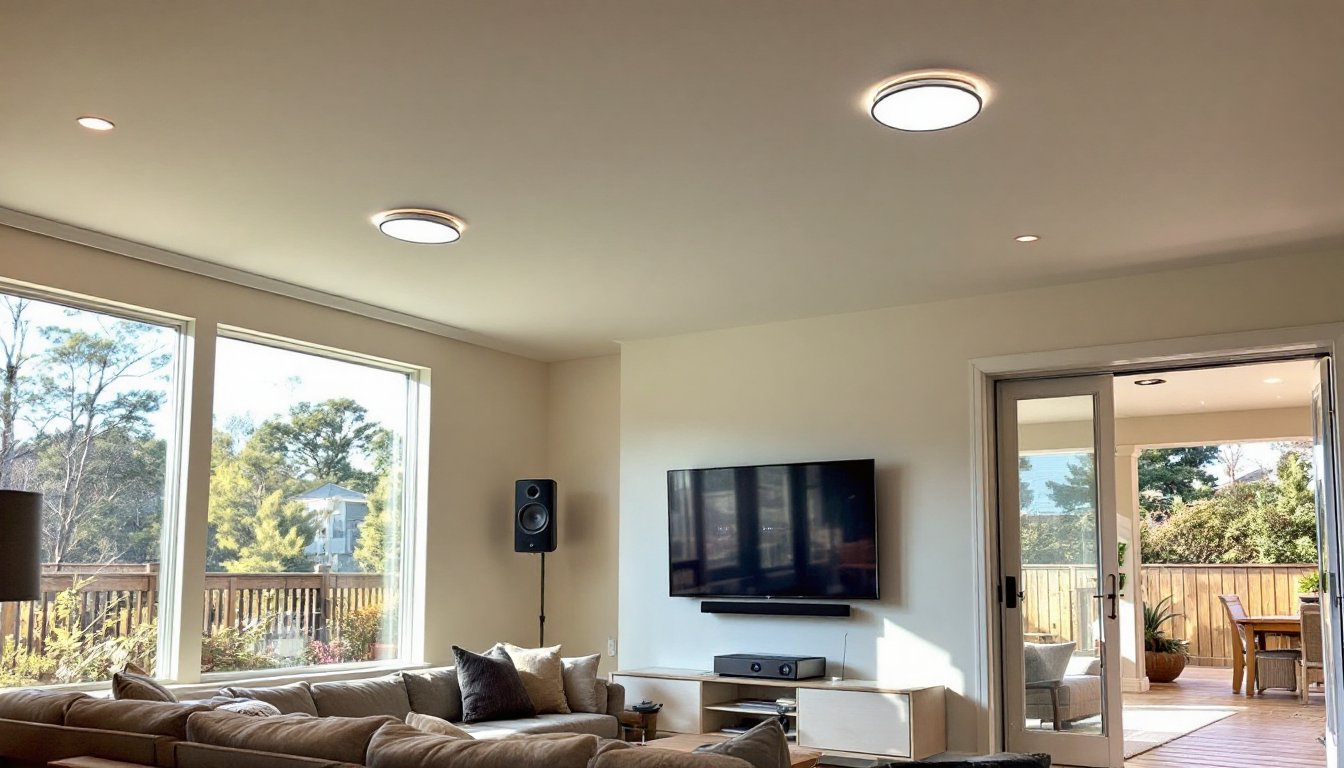
Public address systems aren’t just for concert halls and schools anymore. Homeowners are increasingly installing PA systems to manage whole-house audio, outdoor entertaining, and even emergency notifications across larger properties. Whether someone’s building a home theater, outfitting a workshop with background music, or ensuring they can hear the doorbell from the backyard, a residential PA system offers flexibility that standard Bluetooth speakers and smart home audio can’t match. This guide breaks down what a PA system actually is, when it makes sense for a home installation, and how to choose and install one without overspending or overcomplicating the project.
Table of Contents
ToggleKey Takeaways
- A residential PA system distributes audio across multiple zones and solves coverage problems that standalone Bluetooth speakers and soundbars cannot address in larger homes or outdoor areas.
- The four essential components of a home PA system are an amplifier (50–200 watts per channel), weather-resistant speakers, input sources, and properly gauged wiring with zone controls.
- Homeowners should calculate total speaker wattage and choose an amplifier rated 20–30% above that total to avoid distortion, volume imbalance, and potential equipment damage.
- Careful planning—including speaker placement, proper wire gauging (16–14 gauge for runs up to 50 feet), impedance matching, and labeling—prevents costly installation mistakes and ensures reliable long-term performance.
- A basic two-zone PA system typically costs $400–$800 in materials, plus $500–$1,200 in labor, making it competitive with high-end smart speaker ecosystems while offering superior whole-house audio coverage.
- Common installation errors like undersizing the amplifier, ignoring impedance requirements, and poor outdoor speaker placement can be avoided through proper preparation and testing at low volume before full operation.
Understanding PA Systems: The Basics for Homeowners
A PA system (public address system) is a network of audio components designed to amplify sound and distribute it across one or more zones. Unlike a single Bluetooth speaker or a standalone stereo, a PA system uses an amplifier, speakers, and input sources (microphone, music player, streaming device) to broadcast audio to multiple locations simultaneously.
In residential settings, PA systems typically serve three purposes: whole-house music distribution, outdoor audio for pools or patios, and intercom or announcement capabilities. They’re especially common in homes with detached workshops, large yards, or open floor plans where a single speaker can’t cover the necessary square footage.
The key difference between a PA system and a traditional home audio setup is zoning. A PA system can deliver different audio to different rooms or outdoor areas, or broadcast the same source everywhere at once. That flexibility is why they’re popular in DIY home automation projects and custom home builds.
Key Components of a Home PA System
Every functional PA system includes four core components:
- Amplifier (or receiver): Powers the speakers and processes audio signals. Residential systems typically use multi-zone amplifiers rated between 50 and 200 watts per channel, depending on speaker count and placement.
- Speakers: Mounted in ceilings, walls, or outdoors. In-ceiling speakers are common for whole-house audio: weatherproof outdoor speakers rated IP65 or higher are necessary for patios and pool areas.
- Input sources: Could be a microphone for announcements, a streaming device like a Chromecast Audio, a turntable, or a smartphone via a 3.5mm aux input or Bluetooth adapter.
- Wiring and controls: Speaker wire (typically 16-gauge or 14-gauge copper) runs from the amplifier to each speaker. Wall-mounted volume controls or a central touchscreen panel let users adjust zones independently.
Optional components include a mixer (for balancing multiple input sources), equalizer (for tuning audio to room acoustics), and wireless transmitters (for retrofits where running wire isn’t feasible). Most DIYers stick with wired setups for reliability and audio quality, but wireless options are improving as technology featured in smart home product reviews continues to evolve.
Why Install a PA System in Your Home?
PA systems solve specific problems that standard smart speakers and soundbars don’t address. Here’s when a residential PA system makes sense:
Whole-house audio coverage. In homes over 2,500 square feet or with multiple floors, a PA system delivers consistent sound without juggling multiple Bluetooth connections or dealing with dead zones. It’s especially useful in open-concept kitchens, living rooms, and outdoor entertaining areas.
Outdoor audio for large properties. Weatherproof speakers wired to a central amplifier can cover patios, decks, pool areas, and even workshops or detached garages. This beats portable speakers that need frequent charging and can’t handle rain or humidity.
Intercom and announcements. Families with kids, elderly relatives, or home offices use PA systems to page specific rooms or broadcast messages (“Dinner’s ready,” “Someone’s at the gate”). This is common in rural homes with acreage or multi-generational households.
Workshop and garage audio. DIYers working in noisy environments appreciate a PA system that can overpower power tools. Ceiling-mounted speakers keep counters and benches clear, and the system can tie into the main house for seamless control.
Home theaters and media rooms. While dedicated surround-sound systems are ideal for serious home theaters, a PA system can handle audio for secondary viewing spaces, basements, game rooms, or outdoor projection setups, without the cost of multiple receivers.
Cost is the main trade-off. A basic two-zone PA system with four in-ceiling speakers, a 100-watt amplifier, and wiring typically runs $400–$800 in materials. Labor adds another $500–$1,200 if hiring an electrician or AV installer. That’s competitive with high-end smart speaker ecosystems but requires more upfront planning.
Choosing the Right PA System for Your Space
Matching system specs to the home’s layout and intended use prevents overspending or underperforming. Start with these considerations:
Zone count. How many independent audio zones are needed? A single-zone system sends the same audio everywhere. Multi-zone systems (2, 4, or 6 zones) allow different rooms or outdoor areas to play different sources. Most homeowners need 2–3 zones: one for the main living area, one for outdoor spaces, and optionally one for bedrooms or a workshop.
Amplifier power. Calculate total speaker wattage and add 20% headroom. For example, if running six 8-ohm speakers rated at 60 watts each, that’s 360 watts total. A 400-watt amplifier (or dual-channel amp rated 200W per side) provides enough power without distortion.
Speaker type and placement. In-ceiling speakers work well for finished rooms with accessible attic space. Surface-mount speakers are easier for retrofits or spaces with no ceiling access (basements, garages). Outdoor speakers must be rated for weather exposure, look for UV-resistant enclosures and moisture-sealed cones.
Wired vs. wireless. Wired systems offer better sound quality and reliability but require running speaker cable through walls or attics. Wireless systems (using Wi-Fi or proprietary RF protocols) simplify installation but can suffer from latency or dropouts. For new construction or major remodels, wired is worth the effort. Retrofits in finished homes may justify wireless.
Control interface. Entry-level systems use wall-mounted volume knobs. Mid-range setups integrate with Sonos, Control4, or Crestron for app-based control. High-end systems include touchscreen panels and voice control via Alexa or Google Assistant. Choose based on tech comfort and budget.
Don’t overlook impedance matching. Most home amplifiers are designed for 8-ohm speakers. Mixing 4-ohm and 8-ohm speakers on the same channel can overload the amp or cause uneven volume. Use an impedance-matching speaker selector if running multiple speakers per zone.
DIY Installation Tips and Best Practices
Installing a PA system is a weekend project for homeowners comfortable with basic wiring and drywall patching. Here’s how to tackle it:
1. Plan the layout. Map speaker locations on paper, aiming for even coverage. In rectangular rooms, speakers should be spaced no more than 12–15 feet apart. Outdoor speakers need wider spacing, up to 20 feet, depending on power and dispersion angle.
2. Run speaker wire. Use 16-gauge or 14-gauge copper wire for runs up to 50 feet: drop to 12-gauge for longer distances to minimize voltage drop. Fish wire through walls using a flex bit or fish tape. In attics or crawl spaces, staple wire to joists every 16 inches to prevent sagging. Label both ends of each wire run (e.g., “Zone 1 Left,” “Zone 2 Outdoor”).
3. Cut speaker holes. For in-ceiling speakers, use a drywall hole saw sized to the speaker’s cutout diameter (typically 6.5″ or 8″). Check for joists, HVAC ducts, and electrical wiring with a stud finder before cutting. If you hit a joist, shift the hole 12–16 inches (the joist spacing in most homes).
4. Mount and wire speakers. Thread speaker wire through the cutout, strip ½” of insulation, and connect to the speaker terminals (red to positive, black to negative). Secure the speaker using the built-in mounting clips (often called dog-ear clamps). Outdoor speakers mount to walls or eaves with stainless steel or galvanized brackets, use lag screws into solid framing, not just siding.
5. Connect to the amplifier. Strip wire ends, twist strands tightly, and insert into the amp’s spring-loaded or binding-post terminals. Double-check polarity (all positives to red, all negatives to black). Reversed polarity causes phase cancellation and weak bass.
6. Test and tune. Power on the amp at low volume and play a test track. Listen for distortion, buzzing, or dead speakers. Adjust the amp’s EQ or zone balance to compensate for room acoustics. Carpeted rooms absorb highs: hardwood and tile reflect them. Use the amp’s built-in EQ or add a standalone equalizer if needed.
Safety notes: Wear safety goggles when cutting drywall overhead. If running wire near electrical lines, maintain at least 6 inches of separation to avoid interference and code violations. Some jurisdictions require a low-voltage permit for whole-house wiring, check local building codes. If tying into a home automation system, consider hiring a licensed electrician or AV integrator for the final connections.
For detailed step-by-step processes similar to this, DIY repair tutorials offer excellent visual guides for running wire and cutting drywall safely.
Common Mistakes to Avoid When Setting Up Your PA System
Even experienced DIYers make these errors. Here’s what to watch for:
Undersizing the amplifier. An underpowered amp struggles at higher volumes, causing distortion and potential speaker damage. Always choose an amp rated 20–30% above total speaker wattage.
Ignoring impedance. Connecting too many 8-ohm speakers in parallel drops the total impedance below the amp’s minimum rating (often 4 ohms). This overheats the amp and can cause shutdown or failure. Use a speaker selector with impedance protection or wire speakers in series-parallel to maintain safe impedance levels.
Skipping wire labels. Unlabeled wire turns troubleshooting into a nightmare. Use masking tape and a permanent marker or printed labels on both ends of every run.
Poor outdoor speaker placement. Mounting speakers too high or aimed at reflective surfaces (siding, windows) creates uneven sound. Install outdoor speakers at ear height (6–8 feet) and angle them toward seating areas, not walls.
Forgetting weatherproofing for outdoor connections. Even weatherproof speakers need protected wire connections. Use outdoor-rated wire nuts or heat-shrink tubing, and seal any wall penetrations with silicone caulk to prevent water intrusion.
Mixing speaker types without adjusting settings. Pairing high-sensitivity speakers (95 dB) with low-sensitivity models (85 dB) on the same zone causes volume imbalance. Stick with matched speakers per zone, or use individual volume controls to compensate.
Overcomplicating the system. Beginners often buy more zones, inputs, and features than they’ll ever use. Start simple, one or two zones, a basic amp, and quality speakers. Additional tools and techniques for optimizing setups are covered in hands-on DIY tutorials focused on audio projects.
If the system will integrate with smart home controls or require in-wall wiring in finished spaces, this is when hiring a professional makes sense. The incremental cost is often justified by time saved and mistakes avoided.
Conclusion
A residential PA system delivers reliable, high-quality audio across multiple zones without the complexity of juggling smart speakers or the limitations of portable Bluetooth units. For homeowners with larger properties, outdoor entertaining areas, or workshops, it’s a practical upgrade that solves real coverage problems. The upfront investment in planning, quality components, and careful installation pays off in consistent performance and long-term reliability. Start with a clear plan, match the system to the space, and don’t skip the prep work, most PA failures trace back to poor wire management or mismatched components, not the technology itself.