
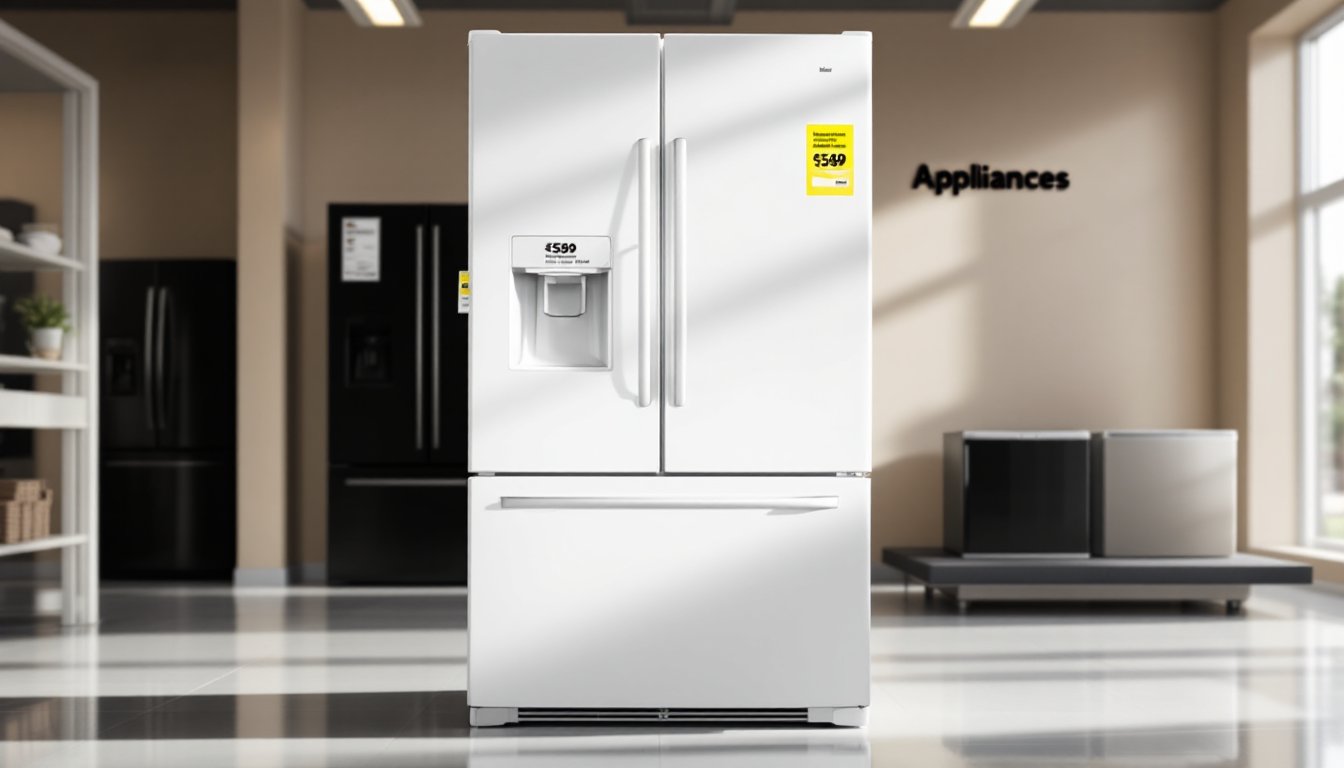
Finding a reliable refrigerator that doesn’t blow your budget isn’t about settling for junk, it’s about knowing what to look for and where to look. A “cheap” fridge doesn’t mean flimsy or inefficient. With smart shopping, you can land a capable appliance that keeps your food cold, fits your space, and saves you money both upfront and over time. Whether you’re outfitting a rental, replacing a dead unit on short notice, or just keeping renovation costs in check, understanding the difference between price and value is critical. This guide walks through the features that matter, where to shop, and how to dodge the common traps that turn a budget buy into an expensive mistake.
Table of Contents
ToggleKey Takeaways
- A cheap refrigerator in the $400–$800 range for full-size models can offer reliable performance when you prioritize core features like compressor quality, insulation, and brand reliability over unnecessary add-ons.
- Energy Star–rated models save $30–$50 annually on utility bills, translating to $300–$500 over a 10-year lifespan, making energy efficiency a critical factor in calculating true long-term costs.
- Always measure your kitchen space precisely (height, width, and depth with 1-inch clearance buffer) before purchasing to avoid costly installation problems and ensure proper door swing and drawer functionality.
- Refurbished units from manufacturer-certified sources or major retailers offer 20–40% price savings with warranties of 90 days to 1 year, making them a smart budget option when new fridges stretch your finances.
- Top-freezer configurations are the most energy-efficient and affordable designs, while counter depth refrigerators sacrifice interior capacity to create a sleek look—prioritize your household’s actual storage needs over aesthetics.
- Shop during seasonal sales events (Memorial Day, Labor Day, Black Friday) for 10–30% discounts, and always factor in hidden costs like delivery ($75–$150), haul-away, and installation before committing to a purchase.
What Makes a Refrigerator “Cheap” Without Sacrificing Quality?
A cheap refrigerator typically falls in the $400–$800 range for full-size models and under $200 for compact or countertop refrigerator units. At this price point, you’re usually looking at top-freezer configurations, basic black or white finishes, and fewer bells and whistles. But cheap doesn’t mean unreliable if you know what to prioritize.
Quality in a budget fridge comes down to compressor type, insulation, and brand track record. Look for models with standard compressor warranties (usually 5–10 years). Avoid units with suspiciously thin walls or flimsy door seals, these compromise energy efficiency and temperature stability. Brands like Frigidaire, Whirlpool, and GE offer entry-level models that hit the sweet spot between cost and durability.
Skip gimmicks like touchscreens, ice makers, and smart connectivity at this price tier. They add cost and potential failure points. Instead, focus on core performance: consistent temperature control, adequate shelf space, and a standard refrigerator size that fits your household. A basic 18–20 cubic foot top-freezer model is often the best value for a family of three or four.
Refurbished or scratch-and-dent models can also qualify as “cheap” without quality loss. Factory-certified refurbished units often carry limited warranties and perform identically to new stock. Just verify the warranty terms before buying, some retailers offer 90-day coverage, others a full year.
Top Features to Look for in an Affordable Refrigerator
Energy Efficiency and Long-Term Savings
An Energy Star–rated fridge uses about 15% less electricity than non-certified models. That translates to $30–$50 saved annually on utility bills, small per year, but over a 10-year lifespan, you’re looking at $300–$500 in savings. Check the yellow EnergyGuide label for estimated yearly operating cost: aim for $40–$60/year for standard size refrigerator models.
Top-freezer designs are inherently more efficient than side-by-side or counter depth French door refrigerator configurations because cold air naturally settles. If energy cost matters more than aesthetics, stick with a top-freezer. Avoid models with anti-sweat heaters (common in cheaper units) that run constantly, they can bump energy use by 5–10%.
Insulation thickness affects efficiency but isn’t always disclosed. A quick test: tap the side walls. Hollow or tinny sounds suggest thin insulation. Heavier units with denser walls retain cold better and cycle the compressor less often, reducing wear and energy draw.
Size and Storage Configuration
Measure your space before shopping. Counter depth refrigerator dimensions typically run 24–30 inches deep (excluding handles), while standard-depth models extend 30–36 inches. If you’re replacing an old unit, measure width, height, and depth, then subtract an inch from each for clearance and door swing.
Standard refrigerator width ranges from 28–36 inches. A 30-inch-wide model is the most common for kitchens with standard cabinet spacing. For tight spaces or open-concept layouts, a cabinet depth refrigerator (also called counter depth) sits flush with cabinetry but sacrifices 3–5 cubic feet of interior space compared to a standard-depth unit of the same width.
How tall is a refrigerator? Most full-size models are 65–70 inches tall. How wide is a refrigerator? Again, 28–36 inches is typical. Double-check door clearance, especially for French-door or side-by-side models, some need 90 degrees of swing to remove crisper drawers.
Inside, adjustable shelves and gallon-size door bins add flexibility. Glass shelves are easier to clean than wire. Crisper drawers with humidity controls help produce last longer, even in budget models. For a large refrigerator (22+ cubic feet), ensure the freezer has at least one wire shelf or bin, unstacked frozen goods become a chaotic mess.
Where to Buy Cheap Refrigerators for the Best Deals
The best place to buy a refrigerator on a budget depends on your priorities: selection, service, or price. Big-box home improvement stores like Home Depot and Lowe’s run frequent promotions (Memorial Day, Black Friday, appliance bundles) and offer delivery, haul-away, and basic installation. They stock a range of standard sizes and usually have floor models or open-box units at 10–30% off.
Appliance outlet stores specialize in scratch-and-dent inventory. These are brand-new fridges with cosmetic flaws, dented sides, chipped paint, or torn packaging. Functionality is unaffected, and prices drop 20–50%. Bring a tape measure and inspect the door seals and interior shelves. Most outlets don’t accept returns, so verify dimensions and condition on-site.
Online retailers like Amazon and Wayfair offer competitive pricing and customer reviews, but delivery logistics can be tricky. Confirm whether the price includes threshold delivery (dropped at your door) or full in-home placement and haul-away. Budget an extra $50–$150 for installation services if you’re not comfortable leveling the unit or connecting a water line for ice makers.
Local classifieds (Craigslist, Facebook Marketplace) can yield steals, $100–$300 for used units. Test the fridge before paying: it should reach 37°F in the fridge and 0°F in the freezer within a few hours of plugging in. Listen for unusual compressor noises (grinding, clicking). Bring a helper and a dolly: large refrigerator models weigh 200–300 pounds.
Rent-to-own stores are a last resort. Monthly payments seem manageable, but total cost often doubles the retail price. If cash flow is tight, save up or buy used rather than locking into a high-interest rental agreement.
New vs. Refurbished: Which Budget Option Is Right for You?
New fridges come with full manufacturer warranties (1 year parts and labor is standard, 5–10 years on the compressor). You’re guaranteed first ownership, and any defects fall under warranty coverage. The trade-off is higher upfront cost. A basic 18-cubic-foot top-freezer model runs $500–$700 new.
Refurbished units are returned, floor models, or lightly damaged stock that manufacturers or retailers inspect, repair, and resell. Factory-certified refurbs often carry 90-day to 1-year warranties. Prices drop 20–40%, making a $700 fridge available for $420–$560. Cosmetic blemishes are common but don’t affect performance.
Buying refurbished makes sense if you’re on a strict budget and the warranty covers at least 90 days. Inspect the unit upon delivery: check door alignment, test the thermostat, and listen for compressor cycling. If anything seems off, document it immediately and contact the seller.
Avoid refurbished units from unknown third-party sellers without warranties. Refrigerators have sealed refrigerant systems, amateur repairs can leave units running warm or cycling constantly. Stick with manufacturer-certified or big-box retailer refurbs that disclose the refurbishment process.
For small spaces or secondary storage, budget-friendly options like mini fridges under $200 can fill niche needs without the complexity of full-size appliances. These compact units work well for garages, basements, or dorm setups, though they lack the capacity for primary kitchen use.
Common Mistakes to Avoid When Buying a Budget Refrigerator
Not measuring the space. This is the #1 DIY blunder. Measure height, width, and depth of the alcove, then subtract 1 inch from each dimension for airflow and clearance. Account for door swing and drawer pullout. A fridge that fits but blocks a doorway or drawer is a permanent headache.
Ignoring energy ratings. A fridge runs 24/7. A $400 unit that costs $80/year to operate is more expensive over five years than a $600 model at $45/year. Check the EnergyGuide label and do the math.
Overlooking delivery and installation costs. Budget fridges often advertise low sticker prices but charge $75–$150 for delivery and another $50–$100 for haul-away of your old unit. Add $30–$50 if you need the installer to level the fridge or adjust door alignment. Factor these into your total cost.
Choosing the wrong configuration. Counter depth refrigerator vs standard is a common debate. Counter depth looks sleek and saves floor space but cuts interior volume by 15–20%. If you need a large refrigerator for a big household, standard depth is the better pick. Conversely, in a galley kitchen or rental, counter depth prevents a bulky appliance from dominating the room.
Skipping the warranty. Budget models have shorter lifespans. A compressor failure at year six on a $500 fridge can cost $300–$400 to repair, more than half the original price. If buying used or refurbished, ensure at least 90 days of coverage. For new units, register the warranty immediately and keep the receipt.
Buying based on aesthetics alone. Stainless-look finishes and French doors add $100–$300 to the price. In budget territory, prioritize function: reliable cooling, adequate capacity, and energy efficiency. Save the design upgrades for the next appliance cycle when your budget allows. Plenty of design-focused homeowners share stories of balancing style and budget, resources from sites like Young House Love highlight practical renovation trade-offs that apply to appliance decisions too.
What is a counter depth refrigerator? It’s a model designed to align with standard 24-inch-deep kitchen counters, creating a built-in look without custom cabinetry. The shallower depth reduces capacity but improves traffic flow in narrow kitchens. If you’re comparing models, weigh interior cubic footage against your household’s storage needs.
Forgetting about the freezer. Budget top-freezer models often have tiny freezers with no shelves. If you batch-cook or buy in bulk, verify the freezer has usable organization, wire shelves, door bins, or at least a divider.
Not testing used units. If buying secondhand, plug it in and verify it reaches proper temps (37°F fridge, 0°F freezer) within 2–3 hours. Feel the door seals for tears. Open and close doors to check alignment. A fridge that runs warm or cycles constantly will cost you in food spoilage and energy bills.
Rushing the purchase. Appliance sales are cyclical. Memorial Day, July 4th, Labor Day, and Black Friday consistently offer 10–30% discounts. If your current fridge is limping along, plan ahead and shop during a sale window. If it’s dead and you need a replacement today, buy used or a basic floor model to save money, then upgrade later when deals appear.
For additional appliance shopping strategies and kitchen planning ideas, The Kitchn offers buyer guides and real-world advice on making the most of tight kitchen budgets and awkward layouts.