
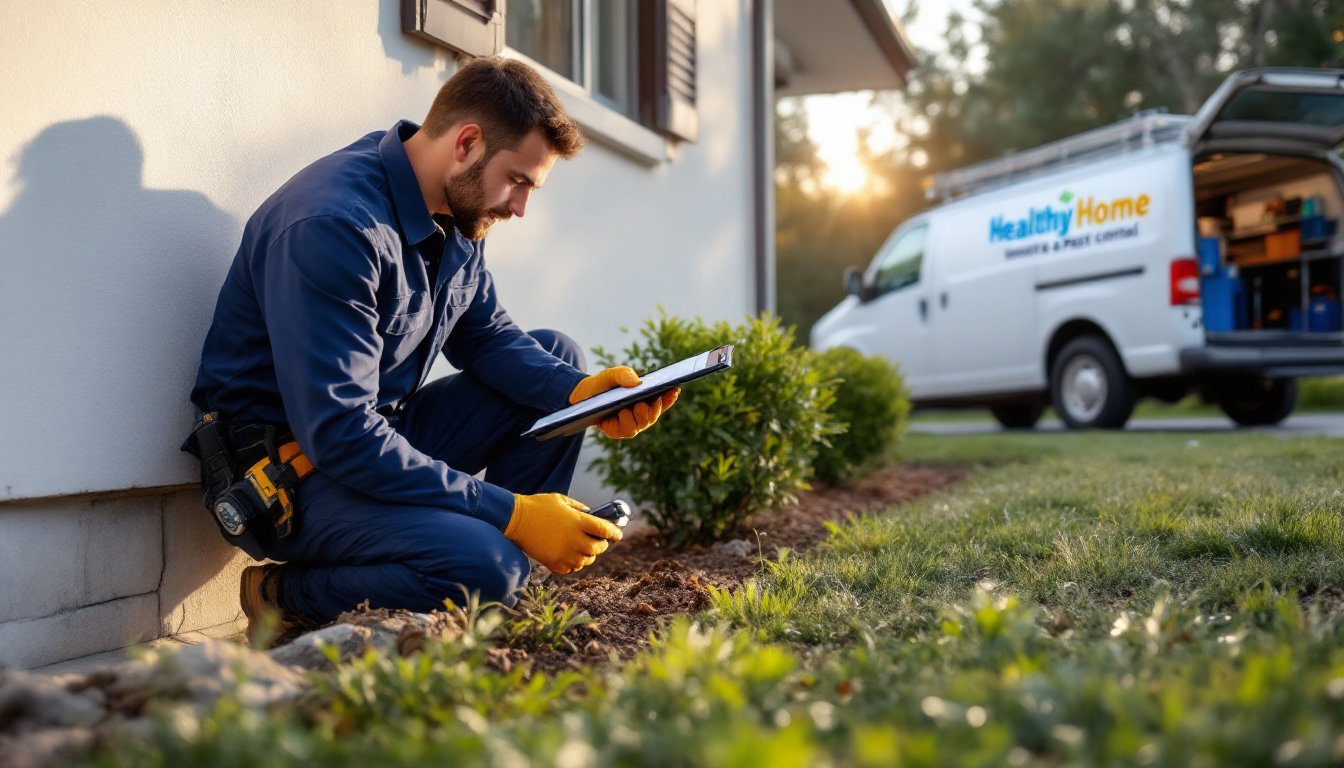
Pest control isn’t just about swatting flies or setting mousetraps. It’s about protecting your home’s structural integrity, your family’s health, and your peace of mind. Termites alone cause over $5 billion in property damage annually in the U.S., and most homeowner’s insurance policies don’t cover it. Meanwhile, indoor pests like cockroaches and rodents carry allergens and pathogens that trigger asthma and spread disease. The good news? A combination of smart prevention, early detection, and targeted treatment, whether DIY or professional, can keep your home safe without turning it into a chemical zone. Here’s how to build a pest management strategy that works.
Table of Contents
ToggleKey Takeaways
- Healthy home termite and pest control combines prevention, early detection, and targeted treatment to protect your home’s structure and family’s health while minimizing chemical exposure.
- Termites cause over $5 billion in annual property damage in the U.S., making identification of mud tubes and frass critical—professional assessment is essential before treatment.
- Natural, low-toxicity methods like diatomaceous earth, boric acid, and heat treatment work effectively for light infestations and prevention, but structural pests require professional intervention.
- Seal cracks, manage moisture, store food properly, and trim vegetation around your home’s perimeter to block pest entry points before infestations start.
- Call a professional for termites, bed bugs, large rodent infestations, and structural pests; DIY approaches work for isolated ant trails, small cockroach populations, and pantry pests.
- Establish a quarterly inspection schedule, keep a pest log, rotate treatment methods, and budget annually for prevention to maintain long-term pest control without unnecessary chemical use.
Why Healthy Pest Control Matters for Your Home and Family
Healthy pest control means managing infestations without creating new hazards. Traditional pesticides work, but they can leave residues on surfaces where kids play, pets sleep, and food gets prepared. Over-application or misuse of chemical treatments has been linked to respiratory issues, skin irritation, and long-term health concerns.
Beyond health, pests compromise your home’s structure. Termites chew through floor joists, wall studs, and roof trusses. Carpenter ants hollow out wood for nesting. Rodents gnaw on electrical wiring, creating fire risks. These aren’t cosmetic problems, they’re expensive, sometimes dangerous repairs that escalate the longer you wait.
A healthy approach balances effectiveness with safety. It prioritizes Integrated Pest Management (IPM), which combines physical barriers, habitat modification, monitoring, and targeted treatments only when necessary. IPM reduces chemical use, lowers costs over time, and keeps your home livable during treatment. It’s not about being anti-pesticide: it’s about being strategic.
Common Household Pests and How to Identify Them
Knowing what you’re dealing with is half the battle. Misidentifying a pest leads to wasted time, money, and ineffective treatments.
Cockroaches leave behind droppings that look like black pepper or coffee grounds, plus a musty odor. You’ll spot them at night in kitchens, bathrooms, and basements. German cockroaches are tan with two dark stripes behind the head: American cockroaches are reddish-brown and larger (up to 2 inches).
Rodents (mice and rats) leave greasy rub marks along walls, gnaw marks on wood or plastic, and droppings shaped like rice grains (mice) or larger pellets (rats). You’ll hear scratching in walls or ceilings at night. Check attics, crawl spaces, and under sinks.
Ants come in many varieties. Carpenter ants are large (¼ to ½ inch), black or red, and leave piles of sawdust called frass near wooden structures. Odorous house ants are tiny, dark, and smell like rotten coconut when crushed. Follow their trails to locate entry points.
Bed bugs are flat, reddish-brown, and about the size of an apple seed. Look for rusty stains on sheets, tiny black fecal spots on mattress seams, and itchy bite clusters on skin. They hide in mattress tags, box springs, headboards, and even electrical outlets.
Termites: The Silent Home Destroyer
Subterranean termites are the most common and destructive type in the U.S. They live in soil and build mud tubes (about the width of a pencil) up foundation walls to reach wood. Look for these tubes in crawl spaces, basements, and along exterior concrete.
Drywood termites don’t need soil contact. They infest attics, door frames, and furniture, leaving behind small piles of pellet-shaped frass that look like sawdust or sand. Tap on wood that sounds hollow or shows blistering paint, both are warning signs.
Swarmers (winged termites) emerge in spring, often confused with flying ants. Termites have straight antennae, equal-length wings, and thick waists. Ants have elbowed antennae, unequal wings, and pinched waists.
If you see mud tubes or frass, don’t disturb them. A professional needs to assess the extent before treatment. Termite damage isn’t always visible until it’s severe.
Natural and Non-Toxic Pest Control Methods That Work
Not every pest problem requires a hazmat suit. Here are proven low-toxicity methods that homeowners can use safely.
Diatomaceous earth (DE) is a fine powder made from fossilized algae. It’s non-toxic to humans and pets but deadly to insects with exoskeletons. Sprinkle food-grade DE in cracks, along baseboards, and behind appliances. It dehydrates bugs on contact. Wear a dust mask during application, it’s harmless but irritating to lungs.
Boric acid is effective against cockroaches and ants. Mix it with sugar and water to form a paste, then place small amounts in bottle caps near entry points (keep away from kids and pets). Insects carry it back to nests, killing the colony. Don’t over-apply, thin layers work better.
Essential oils like peppermint, tea tree, and eucalyptus repel certain pests. Mix 10–15 drops with water in a spray bottle and apply to windowsills, door frames, and cracks. This won’t eliminate an infestation, but it helps deter new arrivals.
Sticky traps and pheromone traps monitor and catch pests without chemicals. Place them under sinks, in pantries, and along walls to identify problem areas. They’re especially useful for tracking whether a treatment is working.
Heat treatment kills bed bugs without pesticides. Professional services raise room temperatures to 120–140°F for several hours. DIYers can use a steamer on mattresses, box springs, and upholstered furniture (test fabric first to avoid damage).
Natural methods work best for prevention and light infestations. For heavy activity or structural pests like termites, they’re not a substitute for professional intervention.
Preventative Measures to Keep Your Home Pest-Free
Most pest problems start outside and work their way in. Blocking entry and eliminating food sources is cheaper and easier than fighting an infestation.
Seal cracks and gaps. Walk your home’s perimeter and inspect the foundation, siding, and where utilities enter (pipes, cables, vents). Use polyurethane foam for gaps wider than ¼ inch and silicone caulk for smaller cracks. Don’t forget weep holes in brick veneer, cover them with mesh screens, not solid plugs (they’re drainage points).
Install door sweeps on exterior doors. A ⅛-inch gap is enough for mice. Use weatherstripping on windows and garage doors.
Manage moisture. Fix leaky faucets, clear clogged gutters, and grade soil away from the foundation (minimum 6-inch slope over 10 feet). Use a dehumidifier in basements and crawl spaces to keep humidity below 50%. Many pests, especially termites and silverfish, thrive in damp environments.
Store food properly. Keep dry goods in airtight containers (glass or heavy plastic). Don’t leave pet food out overnight. Clean up crumbs and spills immediately, cockroaches can survive on surprisingly little.
Trim vegetation. Keep shrubs and tree branches at least 12–18 inches away from siding and rooflines. Overgrown plants create highways for ants, rodents, and termites. Stack firewood 20 feet from the house and elevate it off the ground.
Inspect secondhand items. Bed bugs hitch rides on furniture, luggage, and clothing. Before bringing used items inside, check seams, joints, and crevices under bright light. Wash fabrics in hot water (at least 120°F) and dry on high heat for 30 minutes.
Many seasonal maintenance checklists include pest prevention tasks that align with routine home upkeep.
When to Call a Professional vs. DIY Pest Control
Some pest issues are weekend projects. Others require licensed expertise, specialized equipment, or safety precautions you can’t replicate at home.
Call a pro for:
- Termites. Treatment involves soil trenching, liquid termiticides, bait stations, or fumigation. Misapplication wastes money and lets damage continue. Most states require licensed applicators.
- Bed bugs. They’re notoriously hard to eliminate. Professionals use heat chambers, vapor treatments, or EPA-registered pesticides applied in targeted zones. DIY efforts often spread bugs to new rooms.
- Large rodent infestations. A couple of mice? Set traps. Hearing constant activity in walls or seeing droppings everywhere? You need exclusion work (sealing entry points) plus trapping or baiting in inaccessible areas like crawl spaces.
- Stinging insects near the home. Wasps, hornets, and yellow jackets defend nests aggressively. If the nest is high, inside a wall void, or underground near a walkway, hire someone with protective gear and the right insecticides.
- Structural pests like carpenter ants or powder post beetles. These require identifying the scope of damage, which often means drilling inspection holes or removing drywall.
DIY works for:
- Isolated ant trails. Bait stations and caulking entry points usually solve it.
- A few cockroaches. Boric acid, traps, and sanitation can knock out small populations.
- Pantry pests (moths, weevils). Discard infested food, vacuum shelves, and store new items in sealed containers.
- Outdoor perimeter treatments. Granular or spray repellents around the foundation (follow label directions).
Before hiring, get at least two estimates. Ask if the company is licensed, insured, and uses IPM principles. Request a written treatment plan that specifies chemicals, application methods, and safety precautions. Comparing professional service options helps match the right approach to your situation.
If the problem persists after DIY attempts or you’re unsure what pest you’re dealing with, don’t guess. Professionals from companies like Healthy Home Termite & Pest Control can accurately identify species and tailor treatments accordingly.
Creating a Long-Term Healthy Pest Management Plan
One-off treatments aren’t enough. Sustainable pest control requires ongoing monitoring, seasonal adjustments, and documentation.
Set a quarterly inspection schedule. Walk your home’s perimeter, check the attic, basement, and crawl spaces. Look for new cracks, moisture issues, and signs of activity (droppings, gnaw marks, mud tubes). Catching problems early makes treatment simpler and cheaper.
Keep a pest log. Note what you see, where, and when. Patterns emerge, maybe ants show up every spring near the back door, or you hear rodents in fall when temperatures drop. This helps you anticipate and prevent repeat issues.
Rotate methods. Pests adapt. If you’ve used the same bait or repellent for years, try a different active ingredient. For example, switch between fipronil-based and hydramethylnon-based ant baits.
Coordinate with neighbors. Pests don’t respect property lines. If you’re in a townhouse, condo, or dense neighborhood, coordinate treatment timing. Cockroaches and bed bugs migrate between units.
Budget for prevention. Annual termite inspections cost $75–150 in most regions. Fixing a small moisture problem now prevents a $3,000 subfloor replacement later. Set aside funds for seasonal exclusion work, pro treatments, or upgrades like gable vent screens.
Review your home’s vulnerabilities annually. Did you add a deck? Mulch a garden bed against the foundation? Install new landscaping? Each change can create pest pathways. Adjust your prevention tactics accordingly.
A healthy pest management plan isn’t about perfection, no home is ever 100% pest-proof. It’s about reducing risk, responding quickly, and keeping your living space safe without unnecessary chemical exposure. Done right, it becomes part of routine maintenance, like changing HVAC filters or cleaning gutters.