
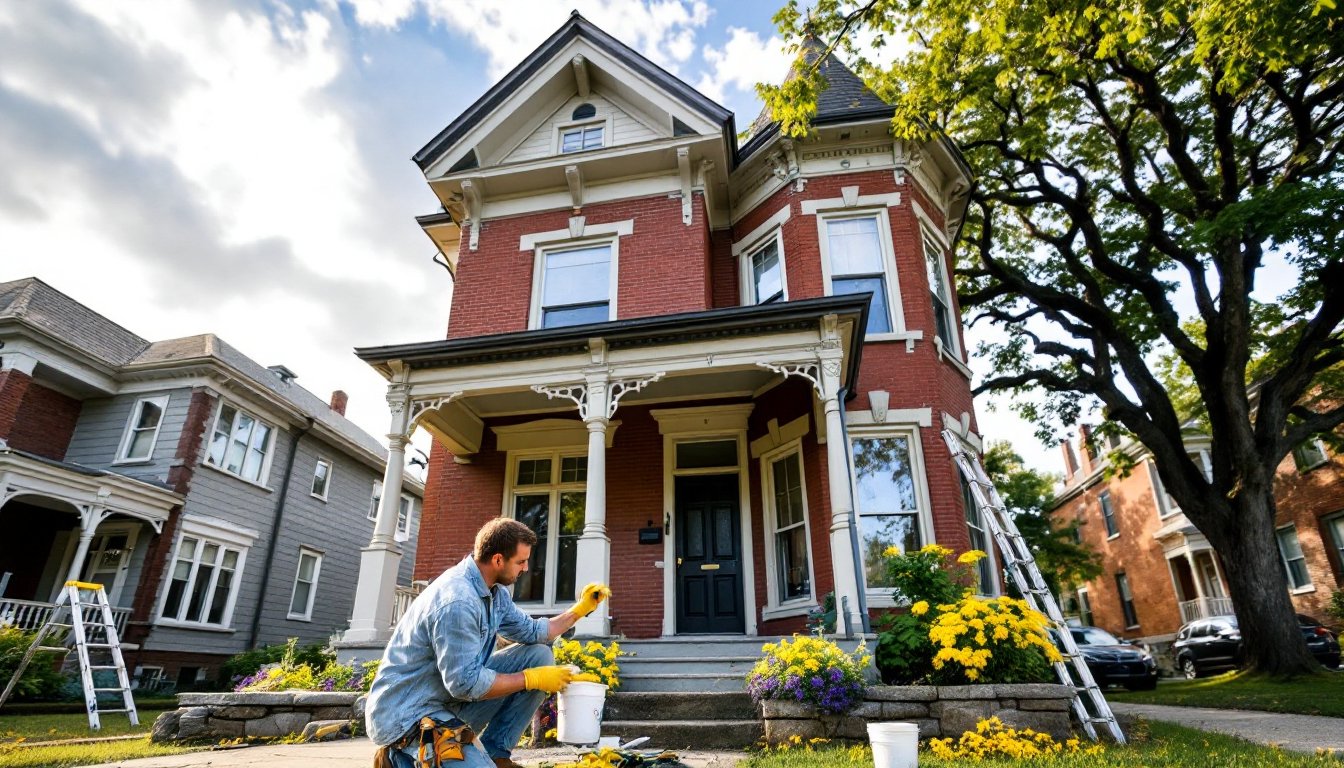
Missouri isn’t just the Show-Me State, it’s a homeowner’s state. From the urban lofts of St. Louis to the sprawling ranch houses of the Ozarks, Missouri offers a diverse housing landscape that rewards hands-on DIYers and savvy buyers alike. With a cost of living that’s nearly 15% below the national average and property taxes that won’t expensive, MO has quietly become one of the Midwest’s most compelling places to own, renovate, and customize a home. Whether someone’s tackling basement waterproofing, navigating volatile market swings, or incorporating regional design touches, understanding Missouri’s unique context makes all the difference.
Table of Contents
ToggleKey Takeaways
- Missouri offers homes at a median price of $215,000 with property taxes around 0.91%, making it nearly 15% more affordable than the national average.
- Basement waterproofing and deck maintenance are essential MO DIY projects due to the state’s freeze-thaw cycles, heavy spring rains, and clay-heavy soils.
- Median days on market have stretched to 35 days in 2026, giving buyers more negotiating time compared to the fast-paced 2022 market.
- Missouri homeowners should prioritize radon testing, foundation inspections, and flood zone disclosures, especially in clay soil areas and near rivers.
- Regional design styles—Victorian and Craftsman in St. Louis, Prairie and mid-century in Kansas City, and farmhouse in the Ozarks—guide home renovation choices that honor local character.
- Energy efficiency upgrades like attic insulation (targeting R-38 to R-49) and weatherproofing deliver year-round savings and are DIY-friendly for Missouri’s four-season climate.
Understanding MO: The Show-Me State for Homeowners
Missouri sits at the crossroads of the Midwest, bordered by eight states and spanning climate zones from humid continental in the north to humid subtropical in the south. That geographic range translates to a housing stock as varied as the terrain, Victorian brick in the cities, limestone farmhouses in the country, and post-war ranch splits everywhere in between.
The state’s median home price hovers around $215,000 as of early 2026, significantly lower than coastal markets and even neighboring Illinois. Property taxes average around 0.91% of assessed value statewide, though rates vary by county. Jackson County (Kansas City) and St. Louis County tend to run higher, while rural areas offer lower assessments.
Missouri doesn’t impose state-level property transfer taxes, but some municipalities add local fees. Title insurance and escrow timelines are standard, typically closing within 30 to 45 days for conventional purchases. Homeowners should budget for $2,000–$4,000 in closing costs on a median-priced home, depending on lender fees and inspection requirements.
For DIYers, Missouri’s building codes generally follow the International Residential Code (IRC), but enforcement varies. St. Louis and Kansas City have stricter permitting processes, while many rural counties operate with minimal oversight. Always check local ordinances before starting structural work, load-bearing wall removal, electrical upgrades, and HVAC replacements almost always require permits in urban areas.
Missouri’s Housing Market Trends and What They Mean for You
Missouri’s housing market has cooled from the frenzy of 2021–2022 but remains competitive in desirable metro pockets. Median days on market stretched from 12 days in 2022 to around 35 days in early 2026, giving buyers more breathing room. Inventory remains tight in Columbia, Springfield, and the Kansas City suburbs, while St. Louis proper has seen upticks in available listings.
Interest rates in the 6.5–7.0% range (as of April 2026) have slowed speculative flipping, but cash offers still dominate in lower price brackets. First-time buyers can leverage Missouri’s First Place Loan Program, which offers down payment assistance and below-market rates for qualifying households.
Renovation activity is surging. Homeowners who can’t afford move-up properties are reinvesting in their current spaces. Kitchen remodels, bathroom updates, and basement finishes top the project lists. The key is knowing which improvements yield ROI: minor kitchen refreshes return around 80–85% of cost at resale, while luxury additions like pools rarely pencil out in Missouri’s climate.
Flood risk is a real consideration. Properties near the Missouri and Mississippi rivers require flood zone disclosures and often mandate flood insurance. Foundation issues, especially in homes with expansive clay soils, are common. A pre-purchase inspection should include sump pump testing, grading assessment, and basement moisture checks.
Top DIY Home Improvement Projects Popular in MO
Missouri homeowners tackle projects that reflect the state’s weather extremes, older housing stock, and strong DIY culture. Here’s what’s trending in garages and workshops across the state.
Basement waterproofing is a perennial favorite. Many Missouri homes have partial or full basements, and heavy spring rains combined with clay-heavy soils create moisture problems. Installing an interior French drain with a sump pump is a manageable weekend project for experienced DIYers. Expect to trench a perimeter channel, lay 4-inch perforated PVC, backfill with gravel, and tie into a basin with a 1/3 HP submersible pump. Always wear safety goggles, gloves, and a dust mask when breaking concrete.
Deck staining and sealing is another big one. Missouri’s freeze-thaw cycles punish untreated wood. A typical 12×16-foot deck needs stripping, sanding, and two coats of semi-transparent stain every 2–3 years. Use a pressure washer (around 1,500–2,000 PSI) to strip old finish, then apply stain with a pump sprayer or pad applicator. One gallon covers roughly 200–300 square feet, depending on wood porosity.
Energy efficiency upgrades, especially attic insulation, pay off year-round. Many older homes have inadequate R-values (often R-19 or less in attics, when R-38 to R-49 is recommended for Missouri). Blown-in fiberglass or cellulose is DIY-friendly with rental equipment. Wear a respirator, long sleeves, and goggles: attic temps in summer can exceed 130°F.
Weatherproofing and Seasonal Prep for Missouri Climates
Missouri’s four-season climate demands proactive maintenance. Winters bring ice, summers hit 90°F+, and spring storms spawn tornadoes.
Window glazing and caulking should be checked annually. Old single-pane windows lose massive amounts of heat. If replacement isn’t in the budget, apply interior window film or install storm panels. Seal gaps around frames with paintable acrylic latex caulk, it flexes with temperature swings better than silicone in freeze-thaw zones.
Gutter cleaning and downspout extension prevents foundation washout. Clean gutters twice yearly (late fall and early spring). Extend downspouts at least 6 feet from the foundation using flexible or rigid extensions. On sloped lots, consider adding a splash block to direct runoff.
Storm shelter prep is non-negotiable in tornado-prone areas. Many homeowners retrofit basements or install in-ground shelters. If building new, ensure the shelter meets FEMA P-320 standards for wind resistance. Some counties offer grants or tax credits for safe room construction.
Exterior paint holds up better when applied in spring or fall, 50–85°F with low humidity. Missouri’s humidity can cause latex paint to dry too slowly in summer, trapping moisture. Use acrylic latex with mildewcide for trim and siding. One gallon covers about 350–400 square feet on smooth surfaces.
Navigating Home Buying and Renting in Missouri
Buying in Missouri is straightforward, but regional quirks matter. Title insurance is customary, and most transactions close through escrow companies or attorney’s offices. Sellers in St. Louis often pay for title insurance, while buyers cover it in Kansas City, clarify upfront.
Home inspections are critical. Look for foundation settling (common in clay soils), outdated wiring (knob-and-tube in pre-1950s homes), and HVAC age. A furnace older than 15 years or an AC unit past 12 years should be flagged for replacement budgeting. Inspectors should test for radon, Missouri has moderate to high radon zones, especially in the northern counties.
Renting trends vary widely. Columbia and Springfield have strong rental markets due to universities, with average one-bedroom rents around $800–$1,000. St. Louis and Kansas City range $900–$1,400 depending on neighborhood. Lease terms are typically 12 months, and landlords can require security deposits up to two months’ rent.
Renter’s insurance is not legally required but smart, policies run $15–$25/month and cover personal property and liability. Many landlords now mandate it in leases.
For buyers, Missouri is a non-disclosure state, meaning sale prices aren’t always public. This can make comps harder to pull. Work with a buyer’s agent who has MLS access and local market knowledge.
Regional Design Styles: Bringing Missouri Charm to Your Home
Missouri’s design aesthetic blends Midwest practicality with Southern warmth and a dash of frontier grit. Regional styles shift depending on geography and local history.
In St. Louis, Victorian and Craftsman influences dominate older neighborhoods like Tower Grove and Soulard. Exposed brick, hardwood floors, and ornate trim are hallmarks. Renovators often strip layers of paint from original woodwork, use a chemical stripper and heat gun combo, and always ventilate. Restoring wood trim can add significant character without major expense.
Kansas City leans more eclectic, mixing Prairie-style architecture with mid-century ranch homes. Clean lines, open floor plans, and large windows are common. Homeowners often incorporate budget renovation ideas like DIY shiplap accent walls or refinished vintage furniture to add warmth without clutter.
In the Ozarks and rural areas, rustic farmhouse style reigns. Reclaimed wood, metal roofing, and stone accents fit the landscape. Barn doors on sliders, farmhouse sinks, and shiplap are popular DIY additions. For authenticity, source materials locally, Missouri has salvage yards full of weathered barn wood and vintage hardware.
Interior design tips often highlight Missouri’s love for functional, lived-in spaces over showroom perfection. Think open shelving in kitchens, mudrooms with built-in storage, and porches designed for actual use.
Color palettes tend toward neutrals with warm accents, grays, taupes, and whites paired with navy, forest green, or burnt orange. Modern home decor trends show increasing interest in sustainable materials and local craftsmanship, which aligns well with Missouri’s maker culture.
When updating historic homes, respect the bones. Don’t rip out original hardwood or plaster walls without cause. Sand and refinish floors rather than cover them. Original plaster, when sound, outperforms drywall for soundproofing and thermal mass.
Conclusion
Missouri offers a rare combination: affordable home prices, diverse housing stock, and a climate that keeps DIYers busy year-round. Whether tackling basement waterproofing, navigating a shifting market, or adding regional design touches, the key is understanding the state’s specific challenges and opportunities. Prep work, local code knowledge, and honest assessments of skill level will carry most projects to completion. The Show-Me State rewards those willing to roll up their sleeves.