
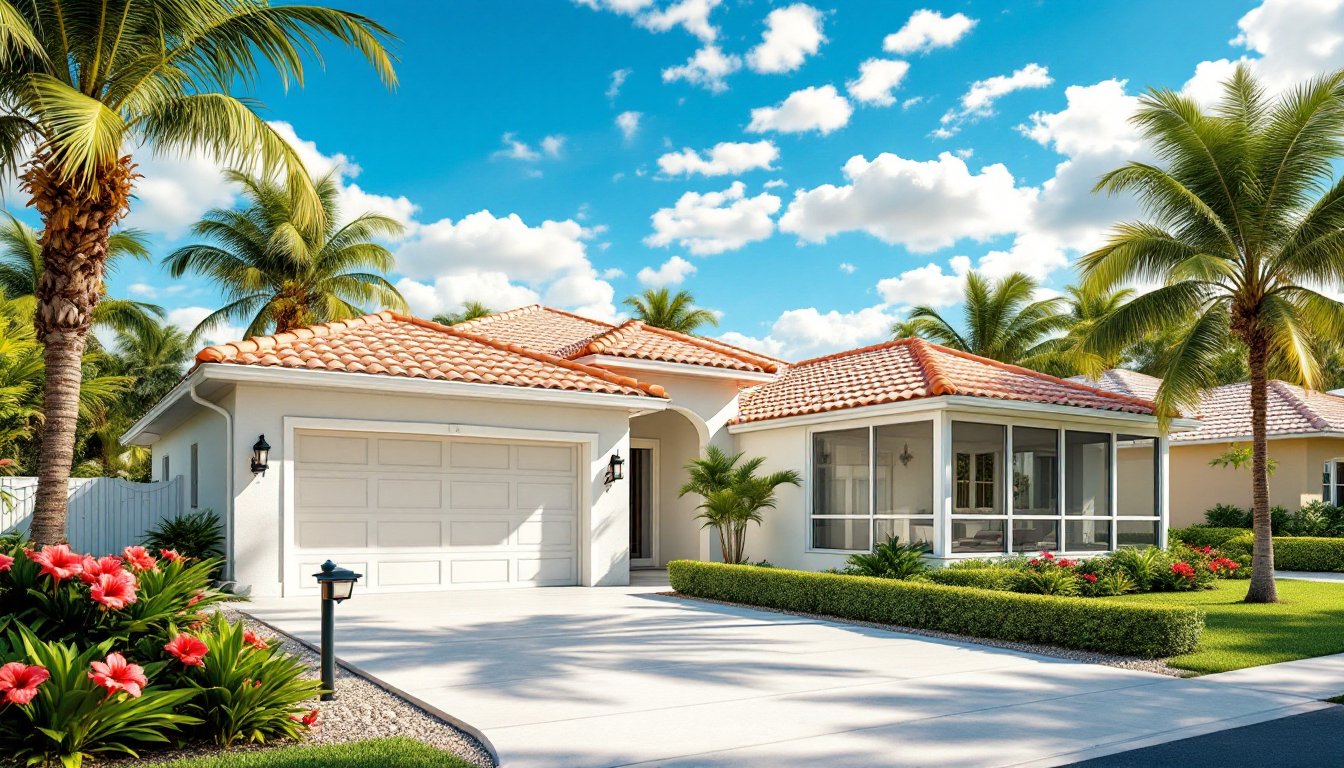
Florida’s housing market continues to boom in 2026, drawing homeowners with year-round sunshine, no state income tax, and a lifestyle that blends coastal living with urban convenience. But owning a home in the Sunshine State isn’t just about endless summer, it comes with unique challenges that demand smart planning and proactive maintenance. From hurricane-force winds to relentless humidity, Florida homeowners face climate conditions that can make or break a property’s longevity. Understanding these realities and how to address them through targeted home improvement projects is essential for protecting investment, maintaining comfort, and making the most of life in FL.
Table of Contents
ToggleKey Takeaways
- Hurricane-proofing measures like impact-resistant windows, roof strapping, and wind-rated garage doors are essential for Florida homeowners to reduce insurance costs and prevent structural damage during storm season.
- Managing Florida’s year-round humidity of 70-75% through proper ventilation, dehumidification, and regular moisture inspections prevents mold, mildew, and wood rot that can compromise home integrity.
- Outdoor living spaces, energy-efficient HVAC systems with SEER 16+ ratings, and moisture-resistant flooring are the most popular and value-adding home improvement projects in FL.
- Florida homeowners must understand local building codes and obtain permits for structural work, roofing, and electrical projects, as the state’s permitting landscape is notably strict.
- Strategic home organization using moisture-resistant storage solutions, wire shelving, and airtight containers protects belongings and maintains comfort in Florida’s humid climate year-round.
- Prioritizing resilience-focused upgrades that address climate challenges delivers better long-term value than cosmetic improvements for protecting your investment in a Florida home.
Why Florida Remains a Top Destination for Homeowners
Florida’s appeal to homeowners goes beyond tax breaks and palm trees. The state’s population growth continues to outpace national averages, driven by retirees, remote workers, and families seeking affordability compared to pricier coastal markets like California or the Northeast. Cities like Tampa, Jacksonville, and Orlando offer strong job markets, while Gulf Coast and Atlantic towns deliver beach access without the sticker shock of Miami or Naples.
But the housing market isn’t without complexity. Inventory remains tight in desirable areas, pushing prices higher and spurring demand for renovations rather than relocation. Homeowners are investing in upgrades that increase property value and livability, think outdoor living spaces, energy-efficient HVAC systems, and storm-resistant features. Insurance costs have spiked, particularly in coastal zones, making smart home improvements a financial hedge as much as a lifestyle choice.
The DIY culture thrives here, too. With mild winters and fewer freeze-thaw cycles than northern states, year-round projects are feasible. Homeowners can tackle exterior painting, deck building, and landscaping without the seasonal constraints that limit projects elsewhere. That said, Florida’s permitting landscape can be strict, especially for structural work, roofing, and electrical, so understanding local building codes and when to pull permits is non-negotiable.
Navigating Florida’s Unique Climate Challenges for Your Home
Hurricane-Proofing and Storm Preparation
Living in FL means preparing for hurricane season every year, typically June through November. Impact-resistant windows and hurricane shutters aren’t just upgrades, they’re often required by code in coastal zones and can lower insurance premiums. Impact windows use laminated glass that holds together even when shattered, preventing wind and rain from breaching the home. For older homes, retrofitting with plywood panels or metal storm shutters is a more budget-friendly option, though installation requires advance planning and proper fastening to wall studs or masonry.
Roof strapping is another critical component. Florida Building Code (FBC) mandates specific tie-down methods for new construction, but older homes may lack adequate hurricane clips or straps connecting roof trusses to wall frames. A licensed contractor can assess and retrofit strapping to meet current standards, reducing the risk of roof loss in high winds.
Don’t overlook garage doors. They’re a common failure point during storms. Wind-rated garage doors or reinforcement kits with horizontal bracing can prevent doors from bowing inward, which creates pressure that can blow out walls or roofs. Check the door’s wind rating (look for labels indicating compliance with FBC or ASTM standards) and ensure tracks and hardware are in good condition.
Managing Humidity and Preventing Mold
Florida’s humidity averages 70-75% year-round, creating ideal conditions for mold, mildew, and wood rot. Controlling moisture starts with proper ventilation. Bathrooms and kitchens need exhaust fans vented to the exterior, not into attics, and run during and after showers or cooking. In crawl spaces and attics, soffit and ridge vents promote airflow, but many older homes lack adequate venting. Adding a powered attic fan or upgrading to continuous ridge venting can drop attic temps by 20-30°F, reducing HVAC load and preventing condensation.
Dehumidifiers are essential in enclosed spaces like closets, laundry rooms, and garages. Whole-home units integrate with HVAC systems to maintain 40-50% relative humidity, the sweet spot for comfort and mold prevention. Portable units work for targeted zones, but they require regular emptying unless plumbed to a drain.
Inspect areas prone to moisture regularly: under sinks, around windows, and along exterior walls. Caulking and weatherstripping should be checked annually and replaced when cracked or peeling. On exteriors, ensure gutters are clear and downspouts direct water at least six feet from the foundation. Grading should slope away from the home at a minimum 1 inch per foot for the first 10 feet to prevent pooling and foundation infiltration.
Popular Home Improvement Projects in Florida
Outdoor Living Spaces: Lanais, screened porches, and covered patios are staples of Florida living. Adding a screened enclosure keeps bugs at bay while allowing airflow. Aluminum framing is standard, lightweight, rust-resistant, and code-compliant. Most municipalities require permits for structures over 120 square feet or anything attached to the home, so check with your local building department before starting. Flooring options include stained concrete, pavers, or composite decking. If using wood decking, choose pressure-treated southern yellow pine rated for ground contact or go with PVC or composite for zero-maintenance durability in humid conditions.
Pool Renovations: With over 1.4 million residential pools, Florida leads the nation. Resurfacing with pebble-tec or quartz finishes extends pool life and improves aesthetics over dated plaster. Upgrading to a variable-speed pump cuts energy use by up to 70% and often qualifies for utility rebates. Adding a salt chlorinator reduces chemical handling and irritation. Always hire a licensed pool contractor for plumbing or electrical work, these systems are complex and mistakes can be costly or dangerous.
Energy-Efficient Upgrades: Florida’s long cooling season makes HVAC efficiency critical. Replacing older units with SEER 16+ systems reduces energy bills significantly. Pairing with a smart thermostat and proper duct sealing (use mastic, not standard duct tape) maximizes savings. Adding radiant barrier sheathing in attics reflects heat away from living spaces, cutting cooling costs by 10-15%. It’s a simple DIY install, staple foil-faced barriers to the underside of rafters with the shiny side facing down.
Flooring: Carpet is rare in Florida homes due to humidity and allergens. Tile and luxury vinyl plank flooring dominate, offering moisture resistance and easy cleaning. When installing over concrete slabs (common in FL), moisture testing is essential. Use a calcium chloride test to measure vapor emission rates before laying flooring. For tile, use a modified thinset rated for moisture and ensure proper substrate prep. Luxury vinyl plank (LVP) installs as a floating floor framing system or glue-down application, and it’s more forgiving on uneven slabs than tile.
Florida Home Organization Tips for Year-Round Comfort
Clutter accumulates fast in Florida homes, especially with beach gear, pool supplies, and seasonal hurricane prep materials. Start with the garage. Wall-mounted slatwall or pegboard systems keep tools, sports equipment, and garden supplies off the floor and protected from moisture. Overhead racks work well for bins storing holiday decor or out-of-season items. Use clear, airtight plastic bins rather than cardboard, humidity will destroy cardboard within months.
Closets need airflow to prevent musty odors. Wire shelving beats solid wood shelves because it allows circulation. Adding moisture-absorbing products like silica gel packs or rechargeable dehumidifier canisters in closets and drawers keeps textiles fresh. Rotate seasonal clothing into vacuum-sealed bags to save space and protect fabrics.
Kitchens benefit from drawer dividers and pull-out shelving. Deep cabinets are common in Florida homes, and items get lost in the back. Installing soft-close drawer glides and lazy Susans improves access and reduces wear from humidity-induced swelling. For pantry organization, airtight containers for dry goods prevent pest issues, ants and palmetto bugs are year-round concerns.
In mudrooms or entryways, built-in benches with cubbies provide spots for shoes, bags, and keys while keeping sand and dirt contained. Consider adding hooks at varying heights for kids and adults. If adding wallpaper to accent walls in living areas, choose moisture-resistant or vinyl-coated options, standard paper wallpaper can peel or bubble in high humidity.
Conclusion
Owning a home in Florida offers unmatched lifestyle perks, but it demands attention to climate realities and proactive maintenance. From storm prep to humidity control, the projects that matter most aren’t always the flashiest, they’re the ones that protect the home’s structure and keep living spaces comfortable year-round. Prioritize upgrades that deliver tangible resilience and efficiency, and don’t skip the permits or professional help when code and safety require it.