

Feeling overwhelmed by the chaos in your home? You’re not alone. Many people find themselves buried under a mountain of clutter, wondering how it all got so out of hand. But fear not! Home organization doesn’t have to be a daunting task. With the right categories, you can turn that mess into a masterpiece in no time.
Imagine a home where everything has its place—your shoes aren’t playing hide and seek, and your kitchen isn’t a culinary war zone. By breaking down your space into manageable organization categories, you’ll not only reclaim your sanity but also impress your guests with your newfound tidiness. So grab your favorite beverage and get ready to discover the secrets of home organization that’ll have you laughing all the way to the neatly stacked boxes.
Understanding Home Organization Categories
Home organization simplifies managing space, making daily life smoother. Categorizing items plays a crucial role in establishing a tidy and functional home.
Importance of Home Organization
Maintaining order in living spaces enhances overall well-being. Clutter can lead to stress and anxiety, making it harder to focus. Organized homes increase efficiency, allowing individuals to find items quickly and effortlessly. A clean and structured environment also promotes positivity. Ultimately, prioritizing organization benefits mental clarity and emotional health.
Benefits of Categorizing
Categorizing belongings boosts efficiency and accessibility. Grouping similar items together reduces searching time. Specific categories create dedicated spaces, supporting better storage solutions. Visitors appreciate a well-organized home, creating a welcoming atmosphere. Enhanced organization systems contribute to easier cleaning and maintenance. Overall, clear categories allow for better tracking of items, ensuring nothing goes missing.
Common Home Organization Categories
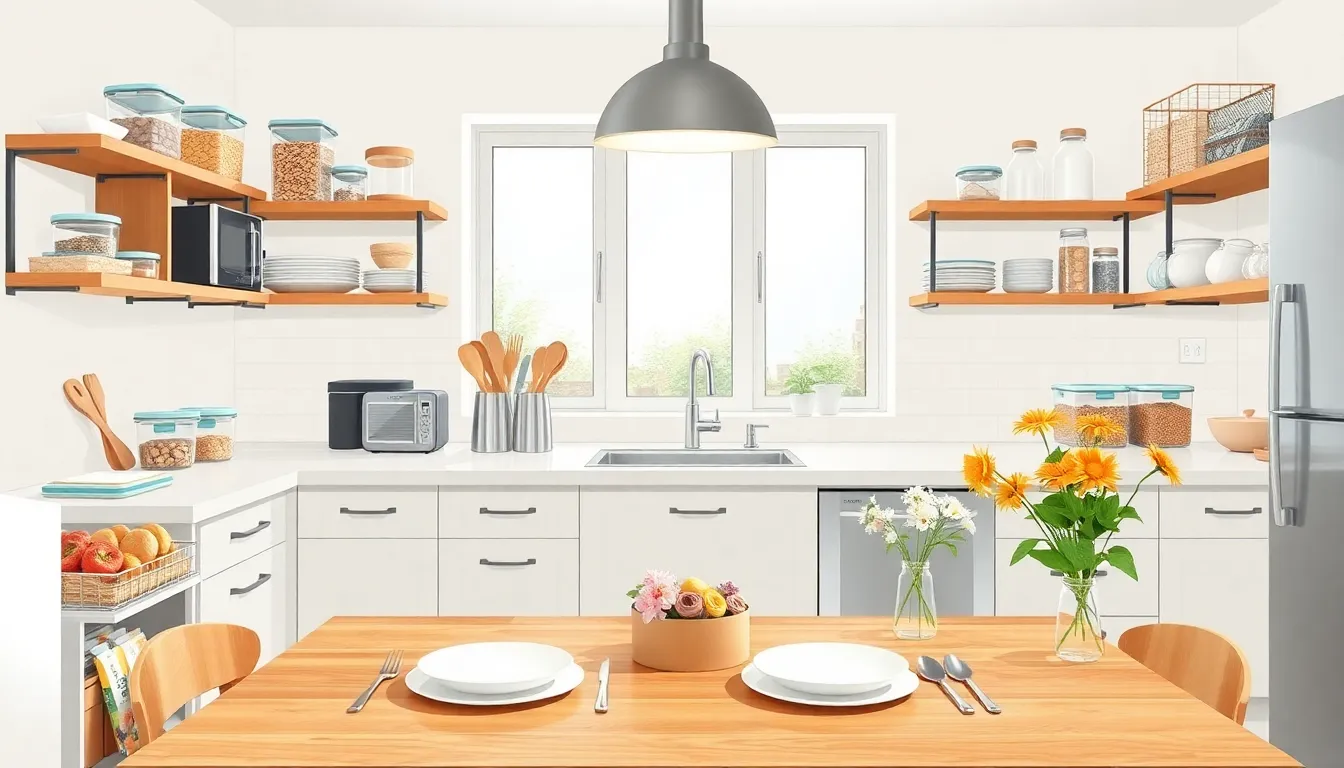
Home organization categories help streamline the process of decluttering. Each space in the home benefits from specific approaches.
Kitchen Organization
Optimizing kitchen organization tackles one of the busiest areas. Storing items in clear containers enhances visibility and encourages use. Grouping utensils, pans, and appliances makes cooking efficient. Drawer dividers and shelf risers maximize space and keep everything accessible. Additionally, labeling helps family members find items quickly, reducing frustration and improving the cooking experience.
Living Room Organization
Living room organization contributes to a welcoming atmosphere. Arranging seating to facilitate conversation creates flow. Coffee tables can hold books or decor while serving a functional purpose. Shelves provide storage for games and media, keeping clutter at bay. Baskets and decorative boxes neatly corral miscellaneous items, making the space feel tidy and inviting.
Bedroom Organization
Bedroom organization promotes restful sleep and relaxation. Utilizing under-bed storage frees up space for essentials. Closets benefit from organizing clothes by type, facilitating quick outfit selection. Nightstands can tidy books and personal items, reducing distractions. Additionally, regularly assessing belongings encourages keeping only those that bring joy, enhancing tranquility.
Bathroom Organization
Bathroom organization ensures ease during daily routines. Shelving units can hold toiletries, towels, and cleaning supplies neatly. Drawers benefit from organizers that separate cosmetics and grooming tools. Hooks or racks for towels lead to quicker access without cluttering counters. Regularly decluttering expired products maintains a fresh and inviting space.
Office Organization
Office organization increases productivity and focus. Using file cabinets or binders helps manage paperwork efficiently. Desk organizers keep pens, notepads, and tech accessories within reach. Digital organization also plays a role, limiting time spent searching for files. Maintaining a clean workspace contributes to mental clarity and efficient workflow.
Tips for Effective Organization
Effective organization starts with decluttering. Prioritize removing items that no longer serve a purpose or bring joy. Sort belongings into categories: keep, donate, and discard. Create a schedule to tackle different areas systematically. A room-by-room approach prevents overwhelm and fosters progress.
Innovative storage solutions enhance accessibility. Use vertical space with shelves and hooks. Utilize under-bed storage for seasonal items. Clear bins allow visibility, simplifying the search for everyday items. Drawer organizers help maintain order in drawers, preventing chaos. Label containers for easy identification.
Regular maintenance practices sustain an organized space. Set aside time each week for quick tidy-ups. Conduct monthly evaluations of belongings to determine what remains essential. Encourage household members to return items to their designated spots immediately after use. Consistency in these practices fosters long-term organization and minimizes clutter buildup.
Embracing home organization categories can lead to a transformative experience that enhances both living spaces and mental well-being. By categorizing belongings and implementing effective strategies, individuals can create a serene environment that promotes clarity and productivity. The journey toward an organized home is not just about tidiness; it’s about fostering a sense of control and peace.
Regularly reassessing and maintaining organization practices ensures that clutter doesn’t creep back in. With each small step taken toward organization, the benefits become increasingly evident. An organized home is not only visually appealing but also a sanctuary that supports a positive lifestyle. Prioritizing these practices will ultimately lead to a more enjoyable and stress-free living experience.