
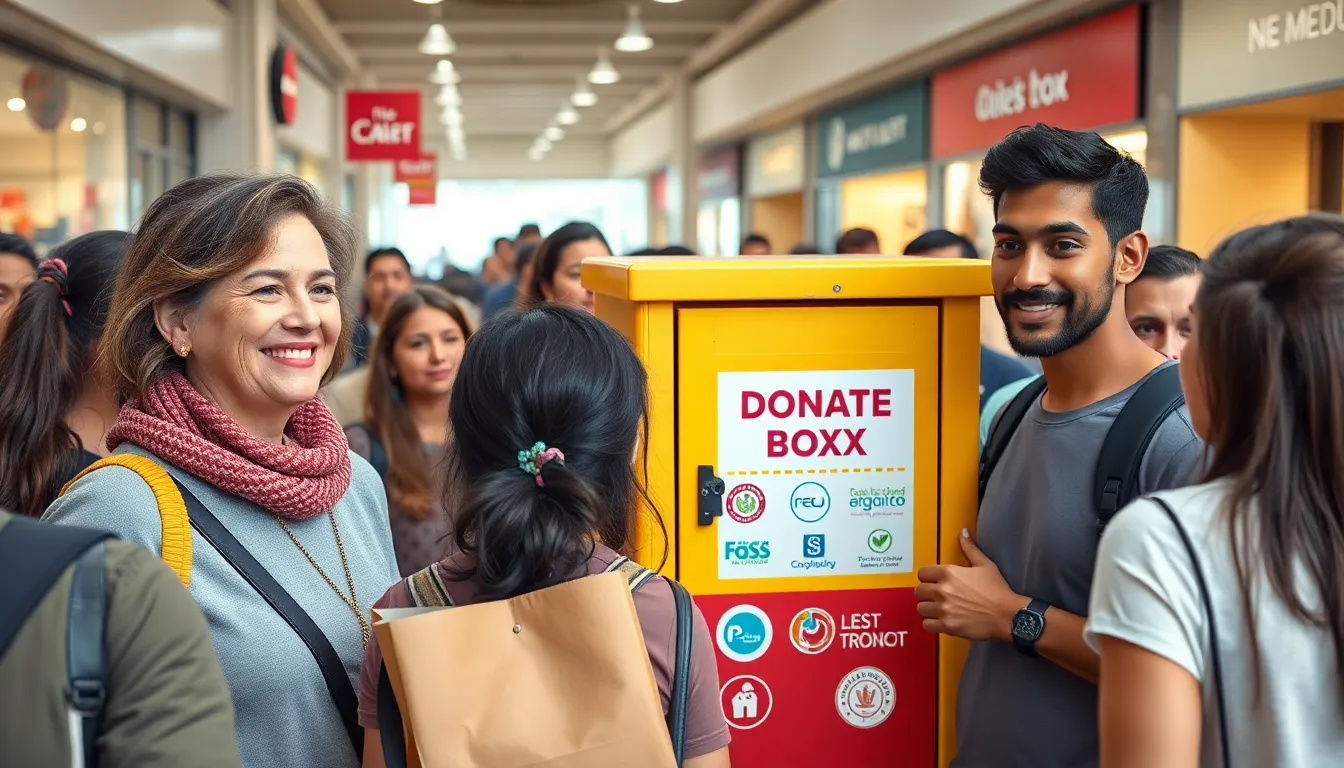
Setting up a donate box might seem as easy as pie, but it’s more like baking a soufflé—one wrong move and it could all come crashing down. Whether it’s for a charity event or a community project, a well-placed donate box can work wonders, turning spare change into real change. Imagine a simple cardboard box transforming into a treasure chest of goodwill, filled with the generosity of those who pass by.
But before diving in, there are a few tricks to ensure that box doesn’t become a glorified trash can. From choosing the right location to crafting an eye-catching design, every detail counts. With the right setup, that donate box could be the talk of the town—or at least the talk of the coffee shop down the street. Let’s explore how to make your donate box not just functional, but a beacon of hope for those in need.
Understanding Donate Box Setup
Establishing a donate box requires careful consideration of various factors. Selecting an optimal location plays a crucial role in attracting potential donors. High-traffic areas, like shopping centers or community events, often generate more contributions. Designing the box with an eye-catching appearance also enhances visibility and encourages donations.
Incorporating clear signage that communicates the purpose and impact of donations fosters trust among potential contributors. Providing information about the charitable organization associated with the donate box helps build a connection with the community. Adjusting the size of the box is essential; it should be large enough to accommodate donations but not so big that it becomes unmanageable or attracts vandalism.
Choosing a secure box is another priority, as it ensures that the donations are safe from theft or damage. Additional features, such as a lock or tamper-proof design, can enhance security further. Furthermore, regular maintenance and collection of funds prevent overflow, which can deter future donors.
Fostering community engagement often increases overall contributions. Coordinating with local businesses or organizations for support can amplify visibility and trust. Utilizing social media to promote the cause connected to the donate box creates wider awareness.
Monitoring donation patterns over time provides valuable insights into the effectiveness of the box’s placement and design. Adjustments can be made based on performance data, ensuring a continued commitment to maximizing collection efficiency. Engaging with donors post-contribution through thank-you initiatives nurtures relationships and encourages future support.
Benefits of Donate Box Setup

Effective donate box setups cultivate community support and encourage charitable giving. These initiatives foster a sense of togetherness, benefiting both donors and recipients.
Encouraging Community Engagement
Community members participate actively when they see donate boxes in familiar places. Engaging local businesses strengthens connections, creating a network of support. Sharing donation impacts through social media can heighten awareness. Regularly updating the community about contributions builds trust and motivation. Additionally, hosting events around donation drives invites more interaction and conversation.
Supporting Local Charities
Supporting local charities enhances community welfare and promotes awareness of local needs. Each contribution collected through donate boxes directly benefits regional initiatives. Collaborating with charities ensures they receive necessary resources to thrive. Creating visibility for these organizations encourages a culture of giving. Overall, focused support allows local charities to grow and positively impact the community.
Key Elements of Effective Donate Box Setup
Establishing an effective donate box involves strategic choices that enhance its impact. Key factors include the box’s location and design.
Choosing the Right Location
Selecting a high-traffic spot increases visibility and potential contributions. Ideal locations include shopping centers, community events, and places of worship. Foot traffic in these areas often results in more donations. Accessibility plays a role; position the box where it’s easy for patrons to contribute without interruption. Collaborate with local businesses to identify optimal placements, as they understand their customer flow. Evaluate local trends to ensure placements align with community habits and interest.
Designing the Box for Visibility
Creating an eye-catching design draws attention and encourages contributions. Bright colors and distinct branding help the box stand out. Clear signage showcasing the donation purpose is vital; concise language conveys the impact of contributions. Incorporate images or logos that connect with the community’s values. Ensure the design is durable yet appealing, making it suitable for outdoor use and frequent interactions. Elements such as transparent sections allow potential donors to see accumulated contributions, reinforcing the importance of their support.
Best Practices for Implementing Donate Box Setup
Implementing a donate box requires attention to detail and ongoing efforts to maintain its effectiveness. Adhering to best practices can significantly enhance the overall success of the initiative.
Maintenance and Security
Regular maintenance ensures that the donate box remains functional and appealing. Check the box frequently to prevent overflow from collected donations. Security is crucial; choose a robust box that minimizes tampering risks. Locking mechanisms can deter theft while keeping contributions safe. Additionally, routine checks for wear and tear further protect the investment and encourage continued generosity from patrons. Keeping the box clean and well-organized fosters a positive image and shows donors that their contributions matter.
Promoting the Initiative
Engaging the community plays a vital role in promoting the donate box initiative. Utilize social media platforms to reach a wider audience and share compelling stories about the project’s impact. If local businesses support the effort, notable collaborations could increase visibility and trust. Flyers or posters in surrounding areas can spread awareness, while community events allow face-to-face interactions that build connections. Encourage supporters to use hashtags related to the initiative, amplifying outreach efforts. Sharing milestones reached through donations fosters a sense of collective achievement, motivating others to contribute.
Conclusion
Setting up a donate box is more than just placing a container for spare change. It’s about creating a focal point for community engagement and support. By strategically choosing locations and designing an appealing box, organizations can significantly boost contributions.
Regular maintenance and security are essential to ensure the box remains functional and trustworthy. Engaging with the community through partnerships and social media enhances visibility and fosters a culture of giving.
Ultimately, a well-executed donate box setup not only benefits local charities but also strengthens community bonds, encouraging everyone to contribute to a greater cause.